


Broker Globale Piattaforma di Verifica Regolamentare
WikiFX
Italiano
简体中文
繁體中文
English
Pусский
日本語
ภาษาไทย
Tiếng Việt
Bahasa Indonesia
Español
हिन्दी
Filippiiniläinen
Français
Deutsch
Português
Türkçe
한국어
العربية
اردو
U.S.-Iran Ceasefire Deal Reached, but Key Risks Remain
Sommario:[Chart 1: U.S.-Iran Illustration]After four months of conflict and multiple rounds of negotiations, the U.S. and Iran have officially entered the implementation phase of a ceasefire Memorandum of Unde
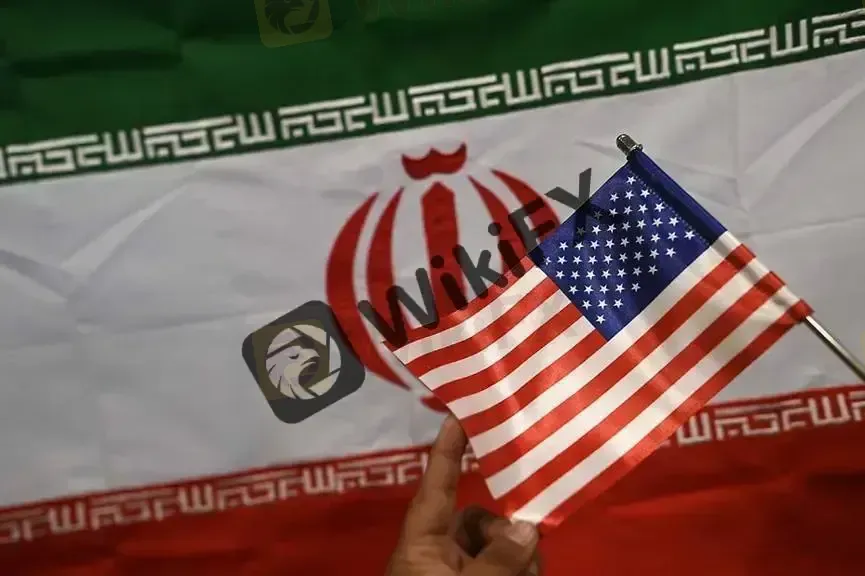
[Chart 1: U.S.-Iran Illustration]
After four months of conflict and multiple rounds of negotiations, the U.S. and Iran have officially entered the implementation phase of a ceasefire Memorandum of Understanding (MoU).
President Donald Trump announced that the agreement was completed and authorized the full reopening of the Strait of Hormuz, while Iran confirmed the deal and stated that nuclear talks and sanctions discussions would begin within 60 days. The agreement was facilitated through mediation efforts by countries including Pakistan and Qatar.
According to the leaked 14-point draft, the agreement includes:
Ending military operations across all fronts, including Lebanon.
Immediate lifting of U.S. maritime restrictions.
Waivers for Iranian crude oil and petrochemical exports.
Restoration of commercial shipping through the Strait of Hormuz to pre-conflict levels within 30 days.
Iran's renewed commitment not to develop nuclear weapons.
More sensitive issues, including uranium enrichment, sanctions removal, and long-term nuclear arrangements, will be negotiated during a second phase expected within 60 days.
The memorandum also proposes a reconstruction fund worth at least $300 billion, supported by investors from the U.S., Gulf countries, and Asia.
Key Risks
Strait of Hormuz Access
Trump described the Strait as permanently open with free passage, while Iranian officials suggested that free transit would only last for 60 days before service and security fees may be introduced. This disagreement could create future implementation challenges.
Israel Factor
Iran continues to demand an Israeli withdrawal from Lebanon. Although Israel is not a party to the agreement, U.S.-Israeli coordination remains an important factor in maintaining regional stability.
Sanctions and Frozen Assets
Iran is seeking the release of frozen assets and broader sanctions relief. While Washington has indicated willingness to provide certain waivers, details remain unclear.
Russian Oil Sanctions
Trump also hinted that sanctions on Russian oil could be reinstated, signaling that U.S. diplomatic attention may gradually shift back toward the Russia-Ukraine conflict.
Market Impact
Despite the breakthrough, investors remain cautious.
JPMorgan has warned that U.S.-Iran negotiations have historically struggled to reach final agreements, while shipping organizations such as BIMCO note that operational details surrounding maritime security, insurance costs, and mine clearance remain unresolved.
Following the announcement, oil prices fell sharply. WTI crude retreated toward $81 per barrel, while Brent crude also declined from recent highs. Meanwhile, risk assets, including S&P 500 futures, gained support as investors priced in lower geopolitical risks and easing inflation concerns.
However, analysts caution that restoring normal shipping conditions in the Strait of Hormuz could take weeks or even months.
At the same time, Federal Reserve Chair Christopher Waller is scheduled to lead his first FOMC meeting this week. Markets broadly expect rates to remain unchanged, while investors will closely monitor any adjustments to the Fed's policy guidance amid persistent inflation and geopolitical uncertainty.
Outlook
The U.S.-Iran memorandum represents the most significant diplomatic breakthrough since the conflict began four months ago and provides a positive signal for global energy security and economic stability.
However, unresolved issues surrounding Strait access, nuclear negotiations, sanctions relief, and regional politics continue to pose execution risks. In the near term, market sentiment will likely be driven by developments in the Strait of Hormuz and movements in oil prices. Longer term, meaningful progress in nuclear talks and reconstruction efforts will be crucial for achieving lasting stability.
/>
[Chart 2: Gold H1 Chart]Gold remains in a short-term rebound and consolidation phase on the hourly chart, trading around the 4,340 level. Although price action remains mixed, the overall structure continues to improve.
The MACD histogram remains positive and expanding, while the bullish crossover stays intact, indicating strengthening upside momentum.
Trading Strategy
Buy Zone: 4,330-4,340
Stop Loss: Below 4,300
Target: 4,370-4,390
A confirmed breakout above 4,370 with stronger volume could support further upside, while a move below 4,310 may shift the outlook to neutral or mildly bearish.
Key Levels
Resistance: 4,400
Support: 4,300
Risk Disclaimer
The information, analysis, and price data provided above are for general market commentary only and do not constitute investment advice or represent the official views of this platform. Investors should carefully evaluate their own risk tolerance and assume full responsibility for their trading decisions.
Disclaimer:
Le opinioni di questo articolo rappresentano solo le opinioni personali dell’autore e non costituiscono consulenza in materia di investimenti per questa piattaforma. La piattaforma non garantisce l’accuratezza, la completezza e la tempestività delle informazioni relative all’articolo, né è responsabile delle perdite causate dall’uso o dall’affidamento delle informazioni relative all’articolo.
WikiFX Trader
JustMarkets
Sotto supervisione
vantage
Sotto supervisione
AVATRADE
Sotto supervisione
STARTRADER
Sotto supervisione
eightcap
Sotto supervisione
XM
Sotto supervisione
JustMarkets
Sotto supervisione
vantage
Sotto supervisione
AVATRADE
Sotto supervisione
STARTRADER
Sotto supervisione
eightcap
Sotto supervisione
XM
Sotto supervisione
WikiFX Trader
JustMarkets
Sotto supervisione
vantage
Sotto supervisione
AVATRADE
Sotto supervisione
STARTRADER
Sotto supervisione
eightcap
Sotto supervisione
XM
Sotto supervisione
JustMarkets
Sotto supervisione
vantage
Sotto supervisione
AVATRADE
Sotto supervisione
STARTRADER
Sotto supervisione
eightcap
Sotto supervisione
XM
Sotto supervisione
Rate Calc
USD

CNY
Tasso di cambio attuale:0
inserisci l'importo
USD
A disposizione
CNY
Calcolare 