

Global Broker Regulation Inquiry App
About WikiFX
English
简体中文
繁體中文
English
Pусский
日本語
ภาษาไทย
Tiếng Việt
Bahasa Indonesia
Español
हिन्दी
Filippiiniläinen
Français
Deutsch
Português
Türkçe
한국어
العربية
اردو


“Crypto Goddess” Faces Criminal Charges as Alleged RM150 Million Scandal Shakes Markets

WikiFX
|


Abstract:Zhang Yuting, often referred to online as a “crypto goddess”, previously served as chief operating officer of the digital asset platform “Bitgin Exchange”. Authorities claim that Zhang and her associates were involved in laundering approximately TWD150 million (around RM22 million) over a period of just three months.
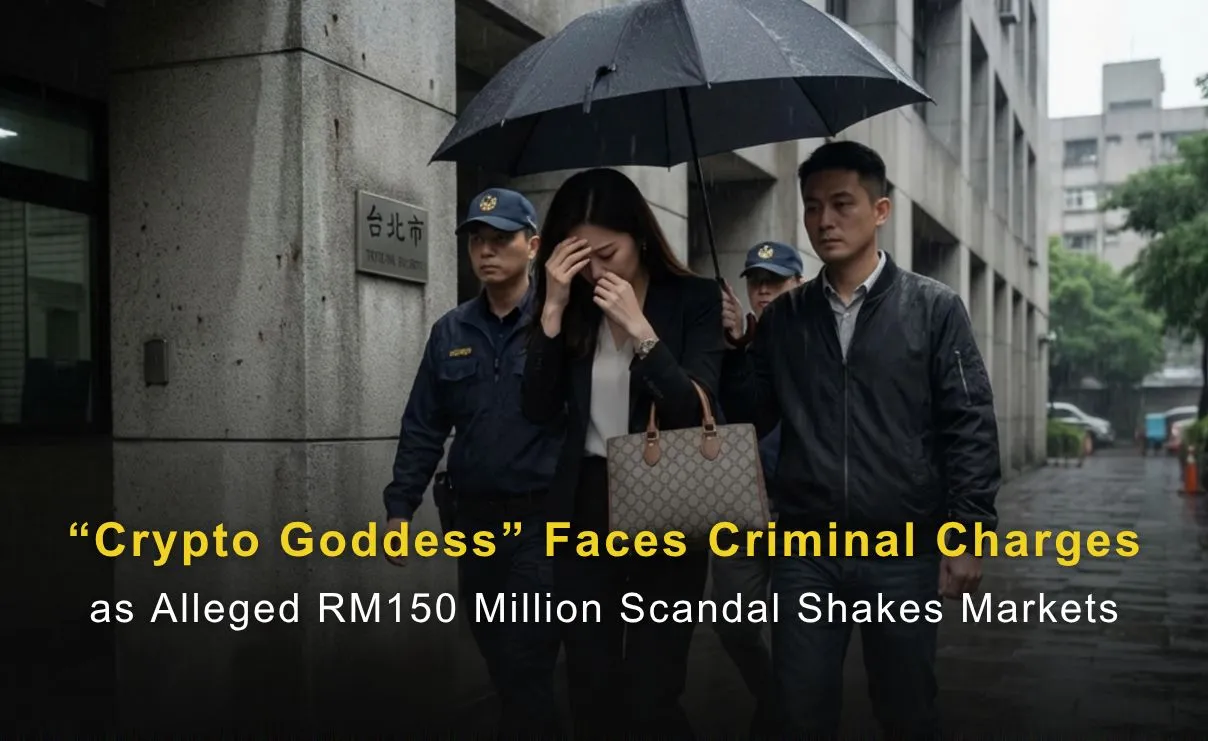
Zhang Yuting, often referred to online as a “crypto goddess”, previously served as chief operating officer of the digital asset platform “Bitgin Exchange”. Alongside her brother, who reportedly acted as chief executive, she was widely seen as part of a new generation of fintech leaders. However, prosecutors now allege that behind this public image lay a sophisticated operation linked to organised financial crime.
Authorities claim that Zhang and her associates were involved in laundering approximately TWD150 million (around RM22 million) over a period of just three months. The funds are believed to have originated from multiple fraud schemes and were allegedly processed through the exchanges systems. Prosecutors have reportedly pushed for a 12-year prison sentence, signalling the gravity of the case.
The methods described by investigators reflect a rapidly evolving fraud landscape. It is suggested that criminal groups first deployed targeted advertisements on social media platforms, promoting investment opportunities that promised high and consistent returns. These campaigns allegedly encouraged individuals, often less experienced investors, to download mobile applications linked to stock or cryptocurrency trading.
Victims were then instructed to convert cash into Tether (USDT) through in-person transactions with individuals posing as legitimate brokers. The process appeared credible on the surface, with transaction records displayed on mobile devices. However, authorities allege that the digital wallets involved were fully controlled by the syndicate. Once funds were transferred, they were quickly moved overseas and withdrawn, leaving victims without recourse. At least 46 individuals are believed to have been affected.
Further allegations suggest that Zhang may have had prior involvement in underground financial networks. Investigators claim she previously played a central role in illicit remittance operations tied to online gambling, handling financial flows reportedly reaching TWD240 billion (approximately RM29.5 billion). While these claims remain under investigation, they add to the scale and seriousness of the case.
The incident has intensified scrutiny across the cryptocurrency sector, particularly as fraud schemes become more complex and harder to detect. What were once simple scams have evolved into highly coordinated operations, combining social engineering with advanced digital tools to create convincing, yet entirely fraudulent, investment environments.
Crucially, the case serves as a stark reminder that public image does not equate to credibility. In recent years, several high-profile figures in the crypto space have faced similar downfalls. The collapse of Sam Bankman-Fried, once hailed as a leading voice in digital finance, and the controversies surrounding Do Kwon, illustrate how perceived authority and visibility can mask underlying risks. It is increasingly clear that even widely recognised figures may allegedly operate in ways that contradict their public personas.
At the same time, the decentralised nature of cryptocurrency often promoted as its greatest strength may also present significant risks. While decentralisation allows for greater autonomy and reduced reliance on traditional financial institutions, it can also limit oversight and accountability. This creates an environment where illicit activities may spread more easily, particularly when combined with cross-border transactions and anonymous digital wallets. In this sense, the technology can act as a double-edged sword, offering both innovation and vulnerability.
The urgency of this case lies not only in its scale but in what it represents. As digital finance continues to expand, so too does the sophistication of those seeking to exploit it. Investors are therefore urged to approach all opportunities with caution, particularly those that promise guaranteed or unusually high returns.
Ultimately, this unfolding situation highlights a critical truth: in an industry driven by innovation and rapid growth, vigilance is essential. No level of reputation, influence or technological advancement can replace careful judgement. As regulators and authorities work to respond, individuals remain the first line of defence against increasingly complex financial crime.

Disclaimer:
The views in this article only represent the author's personal views, and do not constitute investment advice on this platform. This platform does not guarantee the accuracy, completeness and timeliness of the information in the article, and will not be liable for any loss caused by the use of or reliance on the information in the article.
WikiFX Broker
Latest News
RockGlobal Review for India: Which Licence Was Cancelled on 19 July 2024?
WikiFXOROKU EDGE Review 2026: What Traders Should Know About Withdrawal & Slippage Reports
WikiFXNZDCHF: Bearish Now, But Is Smart Money Preparing the Reversal?
WikiFXFX Trading Share Falls Sharply Across Retail CFD Market
WikiFXValutrades Rejects Exit Rumors Amid Client Review
WikiFXIG Faces Hundreds Of Job Cuts In Global Restructure
WikiFXIndonesia's new finance minister faces an uphill battle on fiscal credibility
WikiFXMalaysia To Host Asia Fintech Regulatory Summit
WikiFXFxPro Opens Five CFDs To Weekend Trading
WikiFXRegulators Step Up Action Against Unauthorised and Impersonation Investment Websites
WikiFX