


Vietnam Becomes New Base for Cross Border Scam Syndicates After Cambodia Crackdown
Cross border scam syndicates are constantly adapting to evade law enforcement by moving from Cambodia to Vietnam.
Original

简体中文
繁體中文
English
Pусский
日本語
ภาษาไทย
Tiếng Việt
Bahasa Indonesia
Español
हिन्दी
Filippiiniläinen
Français
Deutsch
Português
Türkçe
한국어
العربية
اردو




Abstract:A British investor and ten Malaysian students have lodged a formal complaint with the Malaysian Anti-Corruption Commission (MACC), alleging they were victims of a large-scale investment scam linked to a businessman with a Datuk title. The group claims losses of RM66 million, with total damages across all victims reportedly surpassing RM300 million.
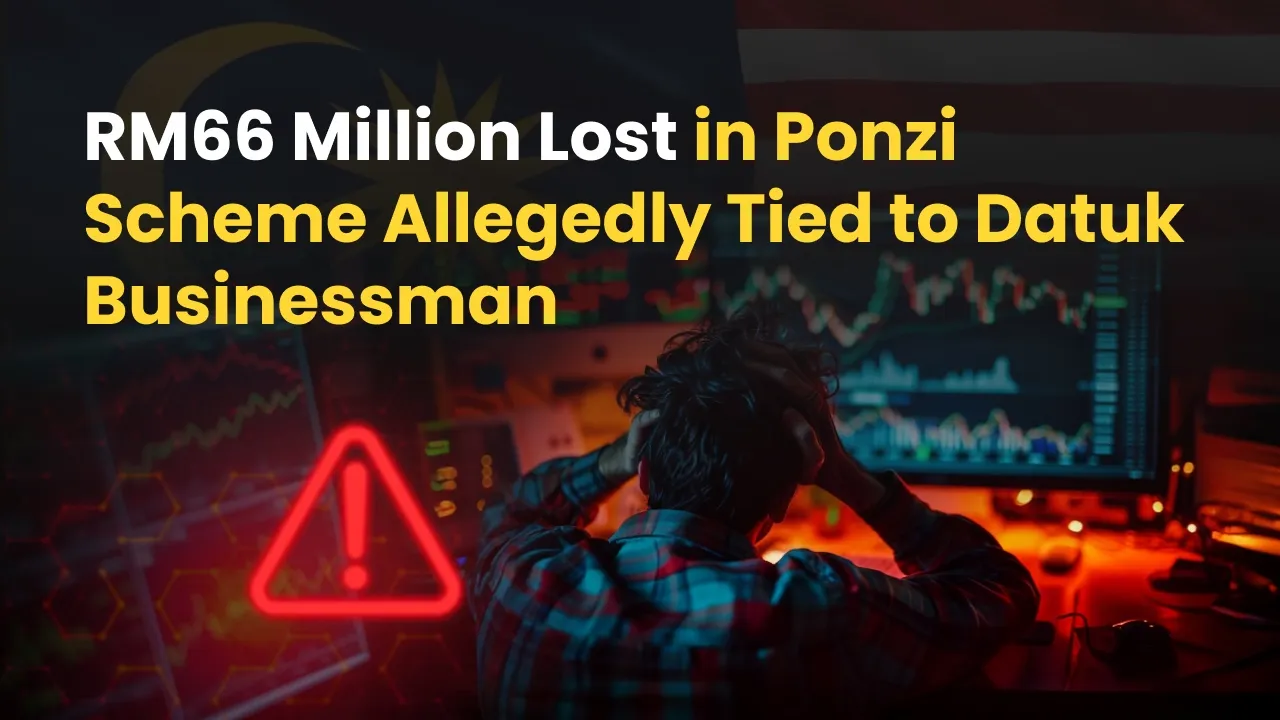
A British investor and ten Malaysian students have lodged a formal complaint with the Malaysian Anti-Corruption Commission (MACC), alleging they were victims of a large-scale investment scam linked to a businessman with a Datuk title. The group claims losses of RM66 million, with total damages across all victims reportedly surpassing RM300 million.
Their case, however, may be just the tip of the iceberg.
The Malaysian Public Rights Action Group (MaPeR), which represents victims, revealed that the scheme has been running quietly since 2018 and has already ensnared hundreds. Losses are said to exceed RM300 million, making it one of the largest alleged frauds Malaysia has seen in recent years.
At the heart of the scandal lies a web of companies described as Ponzi structures, feeding off a constant stream of new investors. Victims were approached by individuals posing as bank officers, offering what looked like credible investment products. Others were drawn in by the reputations of businessmen carrying the prestigious Tan Sri title, whose names appeared on company boards, giving the schemes an air of legitimacy.

Shah Abdul Malek, chairman of MaPeR, confirmed that authorities had already remanded the central figure in July. Assets valued at RM620 million linked to the case have also been seized. Yet, he warned of a troubling development: several companies tied to the network are now in the process of winding up. For many victims, this raises a chilling possibility — that despite the scale of the asset seizure, recovery of their money may prove far more elusive than hoped.
The story has also taken on an international dimension. British investor Lee Rodger Meiklejohn reported losing £10 million (approximately RM60 million) after investing through a broker in Edinburgh between 2010 and 2011. He has since filed a police report in Malaysia to strengthen his case. His loss alone accounts for nearly the entirety of the RM66 million claim lodged with the MACC alongside the Malaysian students.

The wider question now is how such a scheme could thrive for so long, and under the cover of such influential names. The involvement of titled businessmen on company boards has fuelled speculation that social status and political ties provided a shield, delaying exposure of the fraud.
As investigations continue, the scandal has become more than just a criminal case. It is a test of Malaysias financial safeguards, its corporate governance, and the willingness of regulators to confront high-profile figures linked to alleged misconduct. For investors both local and international, the affair serves as a crucial reminder of how prestige, titles, and appearances can disguise some of the most devastating financial traps.
It is important to note that this is not an isolated case involving prominent figures. Previous reports by WikiFX have also highlighted scams linked to individuals holding Datuk titles in Malaysia.
Datuk Seri Linked to RM8.4 Million Gold Investment Scam Under Police Probe: https://www.wikifx.com/en/newsdetail/202508115164266721.html

Inside the Fake ‘Datuk Seri’ RM400,000 Investment Scam: https://www.wikifx.com/en/newsdetail/202507301954613244.html

Cracking the RM3.17 Billion MBI Scam: 8 Arrested, Including 4 Datuks: https://www.wikifx.com/en/newsdetail/202504144734517225.html
Unmasking the ‘Datuk’: The Anatomy of a RM638,205 Investment Scam: https://www.wikifx.com/en/newsdetail/202502244134440852.html
For victims, the ordeal is not just about financial ruin but also the fear that justice may move too slowly. While the seizure of RM620 million signals serious progress, it is far from clear whether those funds will ever find their way back to the investors who lost everything.

Disclaimer:
The views in this article only represent the author's personal views, and do not constitute investment advice on this platform. This platform does not guarantee the accuracy, completeness and timeliness of the information in the article, and will not be liable for any loss caused by the use of or reliance on the information in the article.

Cross border scam syndicates are constantly adapting to evade law enforcement by moving from Cambodia to Vietnam.
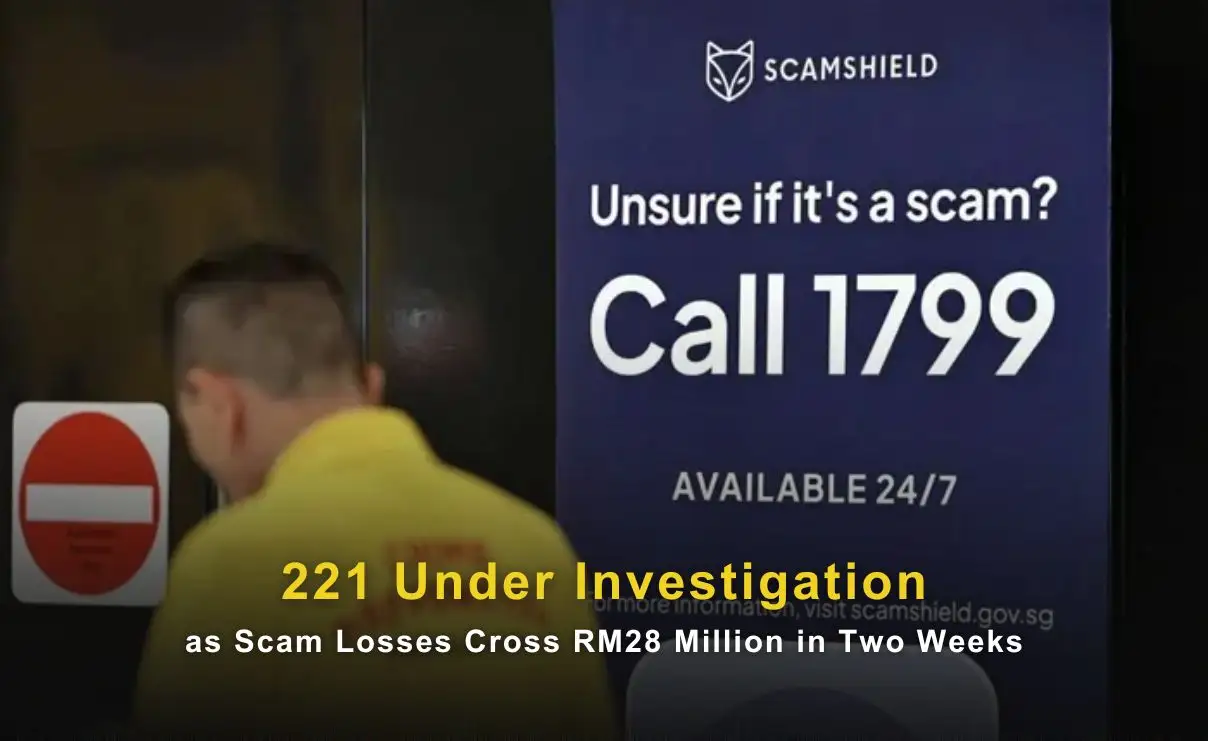
Singapore authorities have concluded a major anti-scam enforcement operation that resulted in 221 individuals being placed under investigation for their alleged roles in a wide range of fraudulent schemes.

Malaysia may be emerging as a new destination for transnational scam syndicates seeking to evade mounting pressure from international law enforcement agencies, according to a leading humanitarian organisation.

He Claimed Elite Connections. She Ended Up Losing Millions and Her Dream Car
WikiFXWikiFXWikiFXWikiFXWikiFXWikiFXWikiFXWikiFXWikiFXWikiFX