


Vietnam Becomes New Base for Cross Border Scam Syndicates After Cambodia Crackdown
Cross border scam syndicates are constantly adapting to evade law enforcement by moving from Cambodia to Vietnam.
Original

简体中文
繁體中文
English
Pусский
日本語
ภาษาไทย
Tiếng Việt
Bahasa Indonesia
Español
हिन्दी
Filippiiniläinen
Français
Deutsch
Português
Türkçe
한국어
العربية
اردو




Abstract:57 Malaysians have collectively lost an estimated RM8.7 million since 2018 after being lured into a fraudulent investment scheme that promised extraordinary profits. Victims were told that a small upfront payment would “activate” vast sums of wealth allegedly locked in foreign banks in Europe.
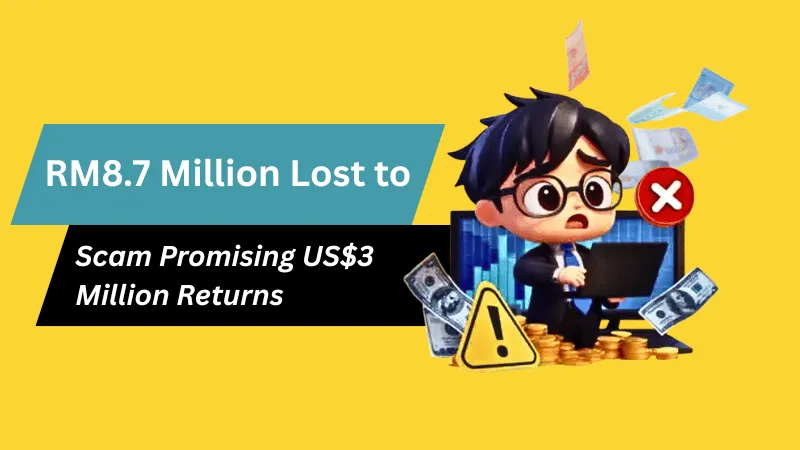
This investment scam claimed that billions in cash and gold belonged to a wealthy individual from a neighbouring country, supposedly stored in financial institutions in the United Kingdom and Switzerland. Investors were persuaded that their contribution of RM1,000 could unlock access to these funds and yield a return of US$3 million.

How Gold Scams Soar with Gold's Bullish Momentum:
 Contents
One of the victims, 45-year-old businessman Bakri, recounted how he lost RM320,000 after being introduced to the scheme in 2022 by a trusted acquaintance acting as an agent. He initially deposited RM1,000 and was convinced to continue investing as the so-called leader persistently urged him to add more money.
Bakri described feeling as though he had been “mesmerised” by the promises and assurances. Each request for more funds was met without hesitation until he began questioning the lack of returns. When he attempted to withdraw his money, he was threatened with losing his entire investment if he persisted.
He, along with 56 others, has since lodged police reports and sought support from the Malaysia International Humanity Organisation (MHO). Losses among the victims ranged from several thousand to hundreds of thousands of ringgit.
MHO explained that the complainants never received any of the promised profits. Instead, they were given a series of excuses, including claims of technical issues with foreign banks and incomplete transfer procedures. The organisation confirmed that the company behind the scheme was not registered with any recognised financial authority in Malaysia.
Police have since opened 30 reports under Section 420 of the Penal Code, which deals with cheating. Seven remain under active investigation, while one has been classified as requiring no further action.
This case reflects the common tactics used by fraudsters:
The “activation” scam is a textbook example of how greed, trust, and manipulation can combine to devastate unsuspecting individuals.
Investment fraud is on the rise globally, affecting traders of all experience levels. WikiFX serves as an independent, international third-party platform dedicated to evaluating and verifying the safety and reliability of FX brokers. Our comprehensive database covers more than 70,000 brokers, enabling investors to research broker profiles, regulatory agencies, financial licences, and safety indicators with confidence.
If you encounter suspicious activity or fall victim to an investment scam, WikiFX is here to help. Our team analyses each case thoroughly, offering personalised guidance and practical solutions to help minimise potential losses.
At WikiFX, our mission is to empower investors with the knowledge and tools required to make safe, informed decisions. When selecting an overseas broker, we strongly advise exercising due diligence and, wherever possible, choosing one regulated by a reputable authority such as Australia‘s ASIC, the United Kingdom’s FCA, or other recognised regulators.
Should you fall victim to fraudulent activity, it is essential that you act without delay. We recommend reporting the matter to the police or consulting a qualified solicitor, as well as contacting your local consumer affairs office.
To further support investors, the WikiFX app delivers daily push notifications highlighting brokers identified as posing withdrawal risks. For timely updates and reliable protection, we encourage you to download the app.

The RM8.7 million lost in this fraudulent scheme is a painful reminder of how easily even savvy professionals can be misled by the allure of fast wealth. For investors, the lesson is clear: promises of extraordinary profits are almost always a red flag.
In an era where scams are becoming increasingly sophisticated, vigilance is essential. Before committing to any investment, verify first with WikiFX. That one step could be the difference between building wealth and losing everything.

Disclaimer:
The views in this article only represent the author's personal views, and do not constitute investment advice on this platform. This platform does not guarantee the accuracy, completeness and timeliness of the information in the article, and will not be liable for any loss caused by the use of or reliance on the information in the article.

Cross border scam syndicates are constantly adapting to evade law enforcement by moving from Cambodia to Vietnam.
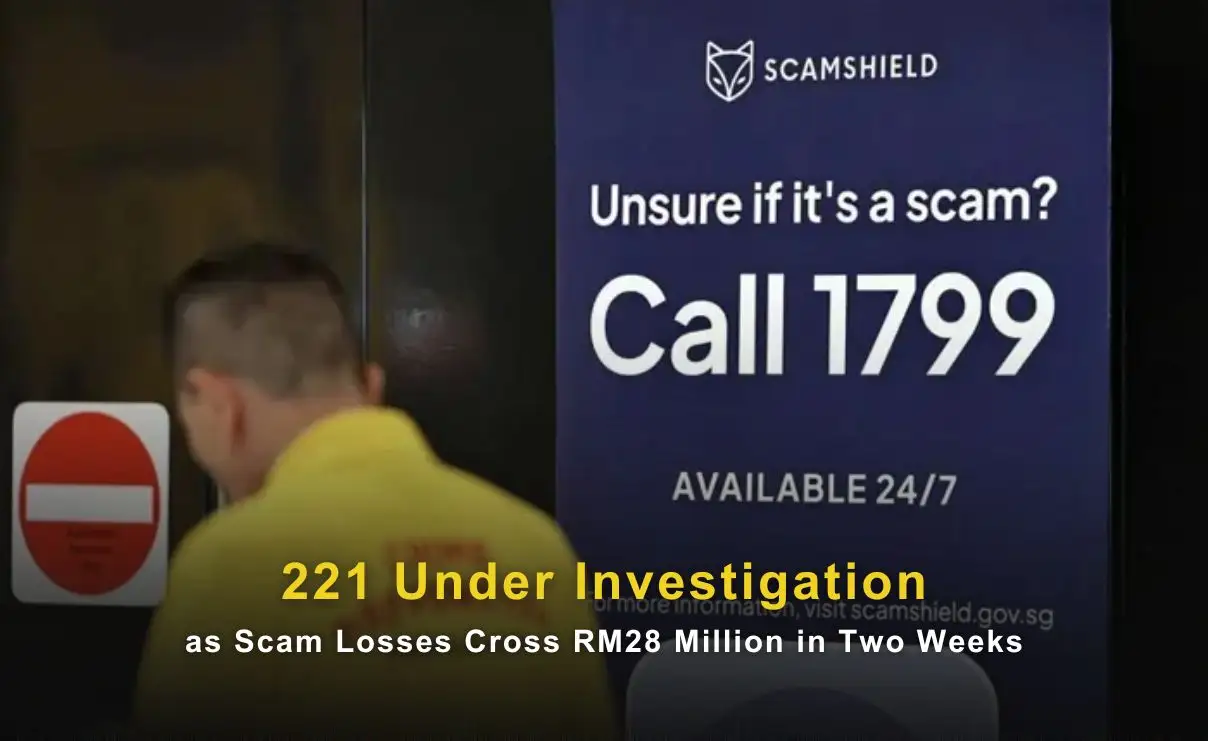
Singapore authorities have concluded a major anti-scam enforcement operation that resulted in 221 individuals being placed under investigation for their alleged roles in a wide range of fraudulent schemes.

Malaysia may be emerging as a new destination for transnational scam syndicates seeking to evade mounting pressure from international law enforcement agencies, according to a leading humanitarian organisation.

He Claimed Elite Connections. She Ended Up Losing Millions and Her Dream Car
WikiFXWikiFXWikiFXWikiFXWikiFXWikiFXWikiFXWikiFXWikiFXWikiFX