Abstract:A former sales director in Perak has seen RM1.86 million vanish into an online investment scheme that promised profits but delivered nothing, in what police warn is part of a surge in sophisticated digital fraud sweeping Malaysia. Lured by a polished social media advertisement and reassurances of high returns, the 50-year-old investor only realised he had been duped when his “profits” suddenly became inaccessible. By then, 23 transfers had already drained his savings into accounts controlled by scammers.
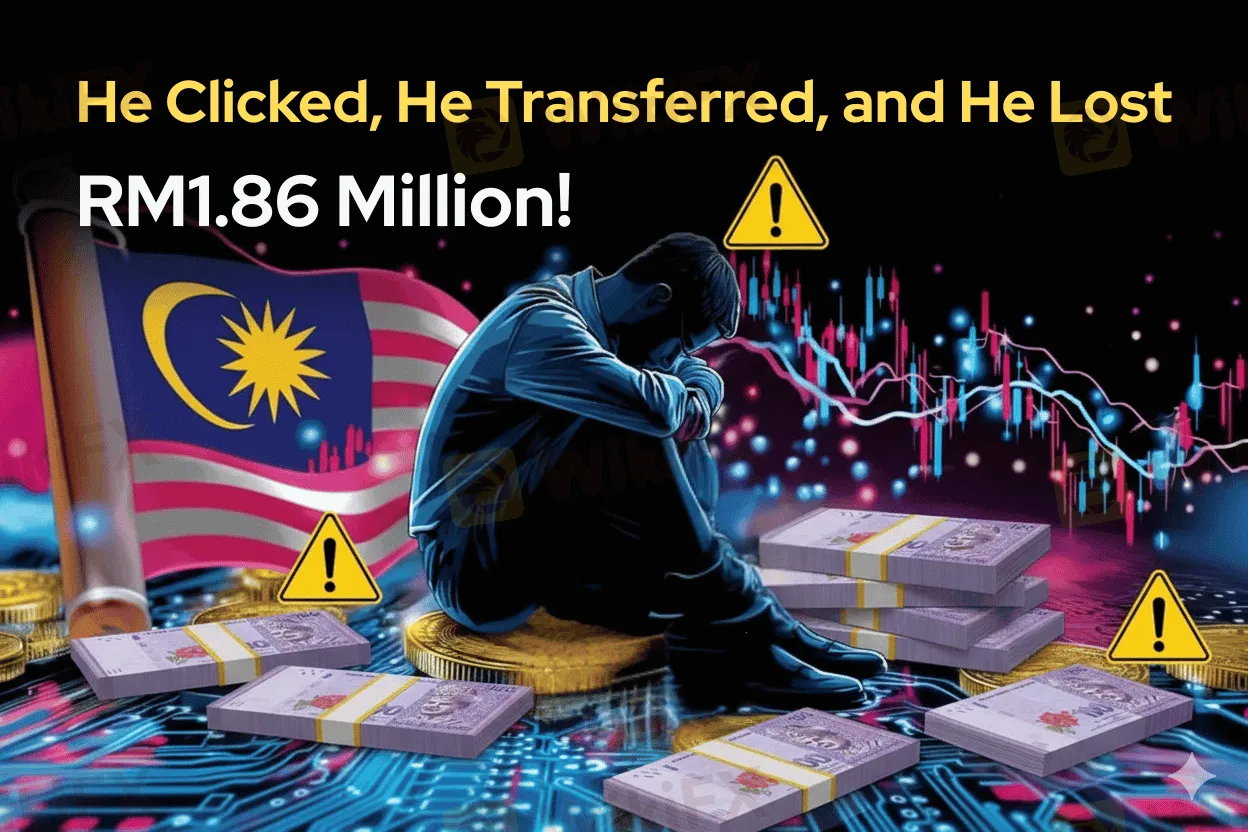
A former sales director in Perak has seen RM1.86 million vanish into an online investment scheme that promised profits but delivered nothing, in what police warn is part of a surge in sophisticated digital fraud sweeping Malaysia.
Perak police chief Datuk Noor Hisam Noordin confirmed that the 50-year-old victim was lured into the scheme after responding to a social media advertisement. Initial contact was made in July 2025 through a phone number provided in the ad. Over the next few months, the victim made 23 separate transfers into three different bank accounts, believing he was investing in a legitimate opportunity.
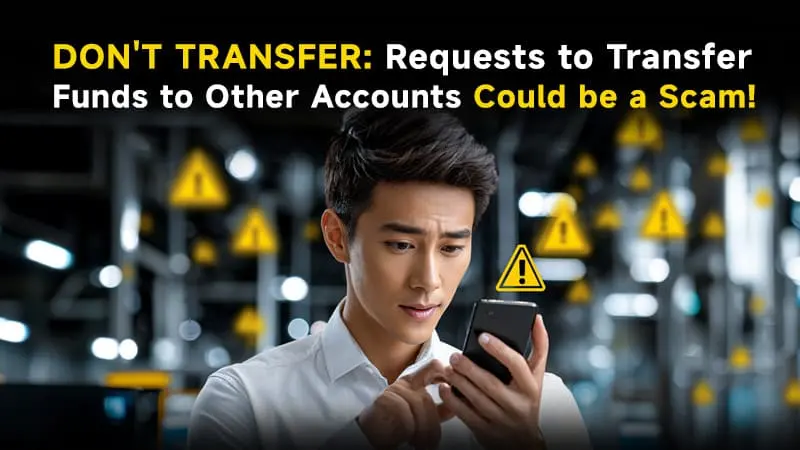
Why you should never transfer in such scenarios:
The scam only came to light when the victim attempted to withdraw his so-called profits, only to discover that access was blocked. A police report was filed on September 29, and the case is now under investigation under Section 420 of the Penal Code for cheating.
Authorities have issued renewed warnings to the public against engaging in investment offers promoted through unlicensed or unregistered websites and mobile applications.
A Growing Threat in the Digital Era
Cases such as this highlight the rising global threat of investment scams. Fraudsters are increasingly using social media, messaging platforms, and even dating apps to build trust and lure victims into transferring large sums of money. What may appear to be a well-presented investment opportunity often conceals elaborate fraud schemes.
The challenge for investors is that fraudulent platforms often mimic legitimate financial services, complete with professional websites, fake licences, and staged profit payouts to reinforce credibility. Without proper verification, even experienced individuals can become targets.
How WikiFX Helps Investors Stay Protected
As scams become more sophisticated, tools like WikiFX are proving indispensable. WikiFX is an independent, international third-party platform dedicated to evaluating and verifying the reliability of FX brokers. Its database covers over 70,000 brokers worldwide, allowing investors to check broker profiles, regulatory status, financial licences, and safety indicators with confidence.
For those who encounter suspicious activity or fall victim to fraud, WikiFX also provides tailored case analysis and practical solutions aimed at minimising potential losses.
Transparency Through the WikiFX Exposure Service
One of WikiFXs most powerful features is its Exposure Service, which enables investors to report suspected scams and share risk information with the broader community. Each report is carefully investigated, and where warranted, WikiFX updates broker ratings and reliability scores to reflect the findings.
By participating, investors not only protect themselves but also contribute to collective knowledge that can shield others from similar schemes. All personal data submitted is safeguarded under strict confidentiality protocols, ensuring security against leaks or misuse.
Important Notes for Investors
In light of the latest case in Perak, investors are urged to take extra precautions:
- Be wary of social media solicitations: Many scams originate from unsolicited offers on WhatsApp, Telegram, Discord, or other platforms. Always verify a broker through WikiFX before engaging.
- Exercise caution with new brokers: Companies with only one to two years of history may lack transparency and pose higher withdrawal risks, even if they present high ratings.
- Verify before you invest: A quick check on WikiFX can reveal regulatory gaps or risk signals that are not immediately obvious.
Conclusion
WikiFX is your trusted partner in navigating the global FX landscape. With our tools, insights, and unwavering commitment to investor safety, we are dedicated to building a secure and transparent trading environment for all.
With tools such as WikiFX‘s broker database, verification system, and exposure service, investors can arm themselves with the information and transparency needed to navigate today’s complex digital trading environment safely.