


Vietnam Becomes New Base for Cross Border Scam Syndicates After Cambodia Crackdown
Cross border scam syndicates are constantly adapting to evade law enforcement by moving from Cambodia to Vietnam.
Original

简体中文
繁體中文
English
Pусский
日本語
ภาษาไทย
Tiếng Việt
Bahasa Indonesia
Español
हिन्दी
Filippiiniläinen
Français
Deutsch
Português
Türkçe
한국어
العربية
اردو




Abstract:Australia’s financial regulator pushes for stronger fraud detection after a dramatic rise in account hijackings and unauthorized stock sales.

Australia‘s financial regulator, the Australian Securities and Investments Commission (ASIC), has raised the alarm over a dramatic rise in share sale fraud—an increasingly sophisticated scam that has grown sevenfold in the past four years. Fraudsters are reportedly hijacking brokerage accounts and illegally selling or transferring shares to cash in on unsuspecting investors’ assets.
ASIC Commissioner Simone Constant described the impact as both “emotional and financial,” noting that some victims have lost entire investment portfolios worth millions of dollars. “Were calling on market intermediaries to step up and protect their customers by strengthening their share sale fraud prevention, detection and response practices,” she said.
In response, ASIC has issued fresh guidance to all regulated brokers and trading platforms. Firms are urged to independently verify client identities, scrutinize forgeries and fake documents during onboarding, and monitor for suspicious trading behavior. This includes sudden large withdrawals or unexpected changes to account details such as contact information and bank accounts.
For investors, ASIC recommends routine checks of portfolios and account activities to detect any unauthorized actions early. The regulator emphasizes that vigilance is essential, as share sale fraud often goes unnoticed until the damage is done.
This warning follows broader concerns around financial crime in Australia. Losses to scams in early 2025 have already approached AU$119 million. In parallel, ASIC has taken action against social media “finfluencers” who promoted high-risk financial products like CFDs without the required advisory licenses.
Disclaimer:
The views in this article only represent the author's personal views, and do not constitute investment advice on this platform. This platform does not guarantee the accuracy, completeness and timeliness of the information in the article, and will not be liable for any loss caused by the use of or reliance on the information in the article.

Cross border scam syndicates are constantly adapting to evade law enforcement by moving from Cambodia to Vietnam.
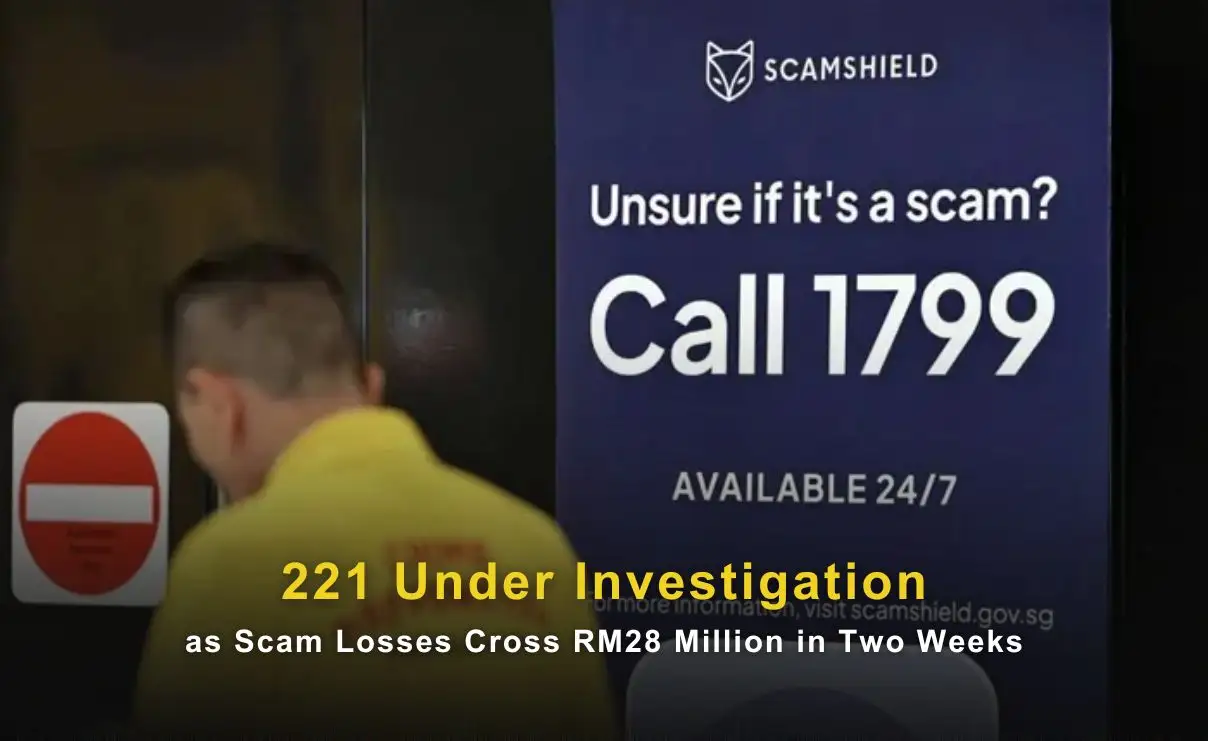
Singapore authorities have concluded a major anti-scam enforcement operation that resulted in 221 individuals being placed under investigation for their alleged roles in a wide range of fraudulent schemes.

Malaysia may be emerging as a new destination for transnational scam syndicates seeking to evade mounting pressure from international law enforcement agencies, according to a leading humanitarian organisation.

He Claimed Elite Connections. She Ended Up Losing Millions and Her Dream Car
WikiFXWikiFXWikiFXWikiFXWikiFXWikiFXWikiFXWikiFXWikiFXWikiFX