Abstract:Fresh Middle East conflict sends shockwaves through energy markets.
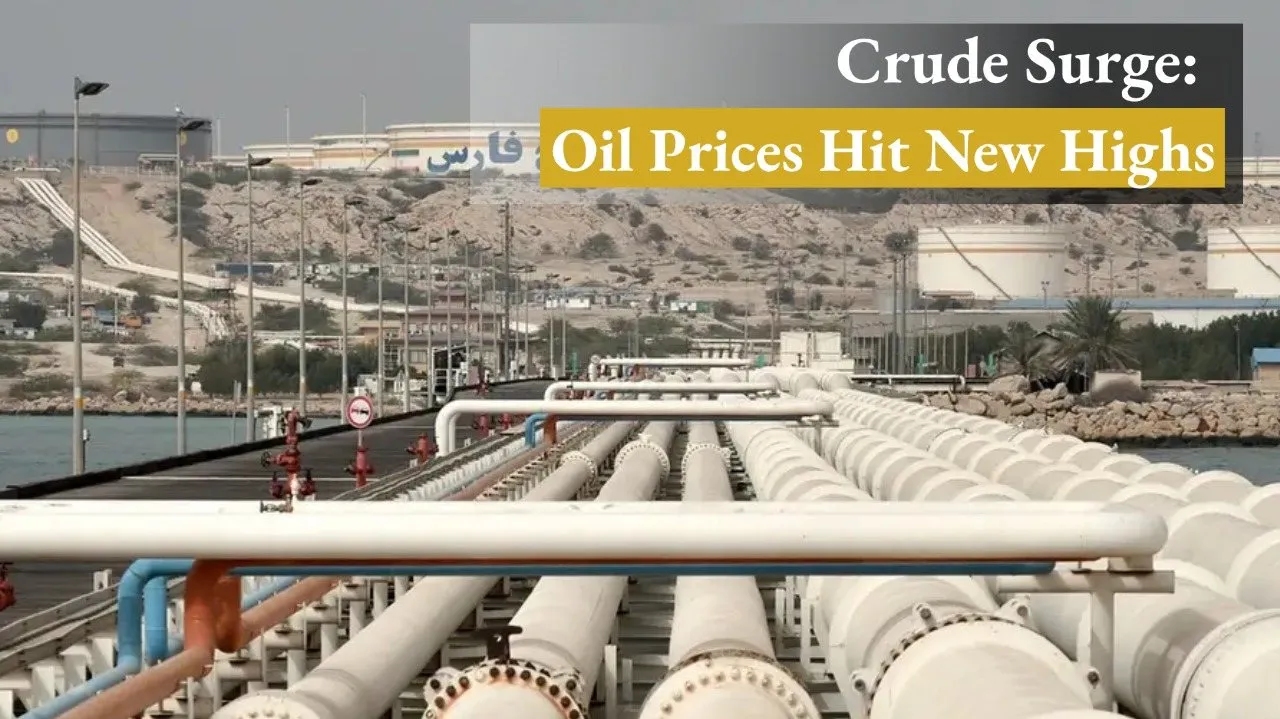
Oil markets have been gripped by fresh tension. A renewed wave of conflict in the Middle East has driven crude prices sharply higher, with Brent crude nearing the $90-per-barrel mark. After reported attacks on key refineries in southern Iran, risk premiums surged across global energy contracts.
The market‘s immediate reaction was one of concern. Even though the Strait of Hormuz—through which a fifth of the world’s oil flows—remains open, investors are now pricing in a higher probability of disruption. Some traders have started preparing for worst-case scenarios, including potential supply blockages or sudden price spikes.
Escalating Geopolitical Risks
The current oil rally is largely driven by intensifying geopolitical tensions. Reports of explosions and fires at major Iranian refineries have heightened fears over regional stability and the safety of energy infrastructure.
The Strait of Hormuz has become a central concern. As a key shipping lane that connects the Persian Gulf to the Arabian Sea, any threat to its openness can send shockwaves through global oil markets—even in the absence of an actual blockade.
Some financial institutions have already raised the probability of a worst-case scenario. One recent analysis noted that the likelihood of severe disruption has jumped from 7% to 17%, suggesting a sharply higher risk of a complete supply cutoff through the Strait. This shift has raised alarms in both trading circles and among policymakers.
Challenges Ahead for the Market
Looking ahead, the oil market faces a serious challenge—not just of higher prices, but of sudden, nonlinear moves. If the situation escalates further, prices may no longer rise gradually. Instead, they could leap dramatically.
Historically, oil prices have reacted in a relatively measured way to supply disruptions. But if strategic shipping routes are closed even temporarily, the price could skyrocket to $120 or more in a matter of days, triggering major knock-on effects across global markets.
Currently, the market is still pricing in moderate risks. But if tensions worsen, traders could face massive volatility when markets reopen, particularly after weekends or holidays. Volatility is likely to spill over into gold and other commodities as well, as investors rush into safe havens.
Managing Sudden Asset Repricing
For investors, the current crisis presents not only opportunity but also risk. Rising oil prices can disrupt carefully balanced portfolios and impact a wide range of asset classes.
One major concern is inflation. Higher oil prices tend to push up consumer prices globally, which could delay any policy pivot toward lower interest rates. This may negatively affect bonds and other interest-sensitive investments.
Meanwhile, capital may rotate out of equities and into commodities like gold, further increasing volatility. Investors should also brace for sudden changes in market sentiment, which can be driven more by fear and uncertainty than by fundamentals.
In such an environment, it's crucial to stay updated on geopolitical developments and adjust risk exposure accordingly.
Why the Strait of Hormuz Matters So Much
At the center of this crisis lies the Strait of Hormuz—arguably the worlds most critical oil shipping route. But why is it so important?
Located between the Persian Gulf and the Gulf of Oman, the Strait of Hormuz is the only sea passage from the oil-rich Gulf to the open ocean. Nearly 20 million barrels of oil pass through it daily, representing about 20% of global consumption.
Its narrowest point is just 33 kilometers wide, with actual shipping lanes even narrower. If conflict breaks out and commercial traffic is blocked—whether through direct attacks or sea mines—the impact on global supply would be immediate.
While the Strait has faced threats during past conflicts, including the Iran-Iraq war and Gulf War, it has never been completely shut. This underscores the reluctance of all parties to disrupt such a critical energy artery.
Still, experts warn that even a temporary closure of one or two weeks could lead to chaos in energy markets, potentially doubling oil prices in the short term. Reopening the route could take weeks or even months, depending on the level of disruption.
For retail investors, understanding the strategic significance of the Strait is crucial. It provides context for oil price movements and helps inform decisions related to energy-focused investments such as oil ETFs, energy sector stocks, or commodity futures.
With geopolitical tensions rising, oil prices have once again become a global barometer for risk. The energy market is entering a phase of heightened uncertainty. For investors, staying informed, managing risk exposure, and preparing for volatility will be essential in navigating the road ahead.