Abstract:Gold suffers its sharpest weekly drop in six months as risk appetite returns—what comes next?
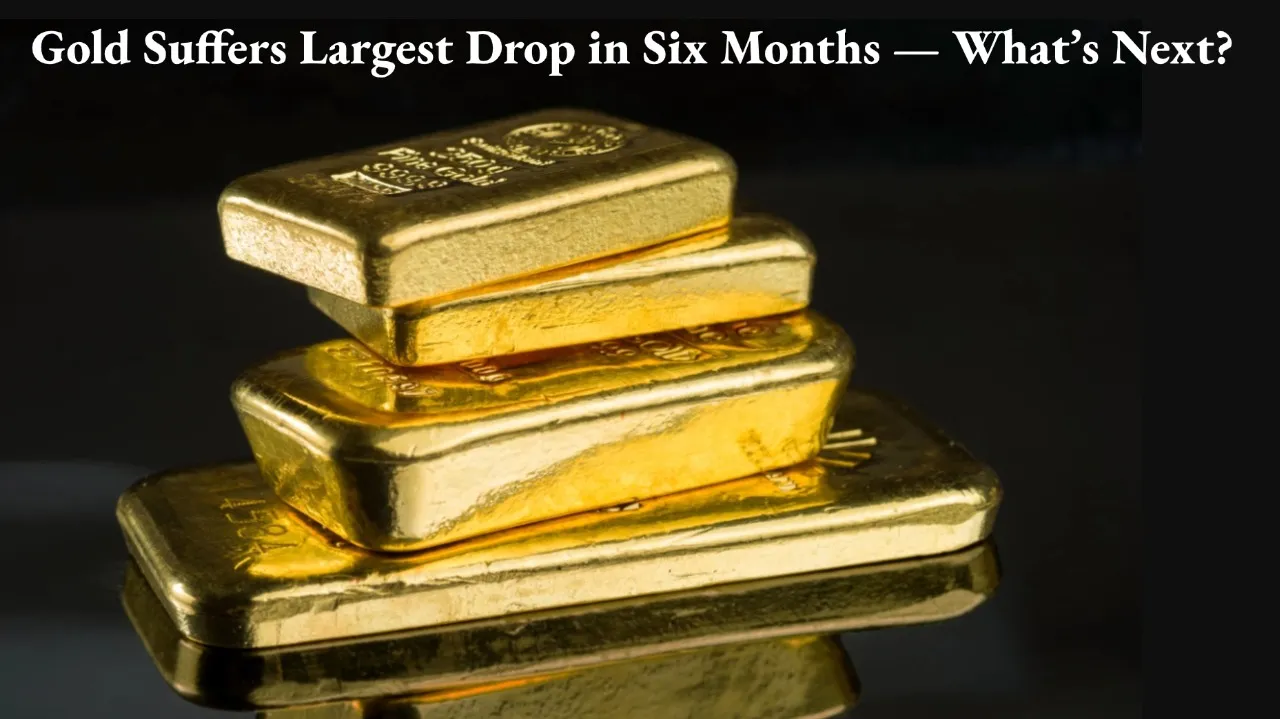
Gold prices took a significant hit recently, with a sharp intraday drop of over 2% on Friday and a total decline of nearly 4% for the week—marking the worst weekly performance since last November. This unexpected downturn has stirred the market and prompted investors to reassess golds role as a safe haven and where its price may head next.
The plunge is mainly attributed to a surge in risk appetite following easing global trade tensions. As investors shifted toward riskier assets like equities, gold—traditionally viewed as a hedge against uncertainty—saw heavy sell-offs. Additionally, rising expectations of U.S. interest rate cuts added further pressure to the precious metal.
Risk Sentiment Up, Inflation Down
This drop wasnt an isolated event but rather the result of a mix of macroeconomic signals. First, the 90-day pause in trade frictions between major economies gave investors some breathing room and boosted optimism. This led to a rally in the stock market and a withdrawal from safe-haven assets like gold.
Second, recent U.S. economic data have been weaker than expected. Aprils Consumer Price Index (CPI) rose only 0.2%, with the annual rate slipping from 2.4% to 2.3%. This reassured markets that inflation is under control and boosted expectations that the Federal Reserve might cut interest rates later this year. Although falling yields typically support gold, this time, improved market sentiment seemed to override that effect.
Can Gold Hold the $3,000 Level?
Despite the sharp correction, many analysts remain cautiously optimistic about golds medium-term prospects. The recent trade truce is only temporary and could unravel, possibly reviving demand for gold as a hedge.
Additionally, inflation risk hasnt been completely eliminated. Federal Reserve Chair Jerome Powell recently suggested that the global economy might be entering a period of more frequent supply shocks, making inflation harder to manage. Such an environment could renew support for gold.
Analysts from BMI predict that gold prices will fluctuate between $3,000 and $3,400 per ounce in the coming quarters, driven by ongoing policy uncertainty, geopolitical tensions, and inflation fears.
Investors Face a Double-Edged Sword
For investors, the gold market is currently at a crossroads. On one hand, increased volatility could push prices further down. On the other hand, renewed uncertainty could trigger a rebound.
The challenge is how to strike a balance between risk and reward, especially as key economic data and policy speeches approach. Several Fed officials are scheduled to speak next week, and their remarks on inflation, interest rates, and the economy will be closely watched for clues.
Technically, if gold dips below the $3,000 mark, it could trigger further selling. But if it holds that level, a new support zone may form.
Why Is Gold So Sensitive?
Gold has long been considered a safe-haven asset, prized for its ability to retain value during times of economic uncertainty. But what many investors overlook is just how sensitive gold prices are to a range of global factors—especially inflation data, interest rate expectations, the strength of the U.S. dollar, and overall market sentiment.
When inflation rises, the purchasing power of fiat currencies erodes, prompting investors to flock to gold as a store of value. However, this relationship gets complicated when central banks—like the Federal Reserve—raise interest rates to combat inflation. Higher interest rates make interest-bearing assets (such as bonds or savings accounts) more attractive compared to non-yielding assets like gold. As a result, gold may fall out of favor even during inflationary periods.
Additionally, since gold is priced in U.S. dollars, fluctuations in the dollar directly impact its value. A stronger dollar makes gold more expensive for buyers using other currencies, which can reduce global demand and push prices down. Conversely, a weaker dollar tends to lift gold prices.
Lastly, gold acts as a barometer for geopolitical risks. In times of global instability—such as wars, trade conflicts, or financial crises—investors often increase their gold holdings, causing prices to spike. This combination of factors makes gold highly responsive, sometimes volatile, and a unique asset in any diversified portfolio.
As gold records its steepest weekly decline in six months, investors are reminded that even traditional safe-haven assets are not immune to shifts in global sentiment and macroeconomic variables. The recent drop, triggered by a combination of easing trade tensions, rising risk appetite, and softer inflation data, underlines the complexity of gold‘s behavior in today’s interconnected markets.
Looking ahead, gold‘s trajectory remains uncertain and closely tied to upcoming U.S. inflation data, the Federal Reserve’s tone in public speeches, and any unexpected geopolitical developments. While the recent downturn does not necessarily mark a long-term trend reversal, it does highlight the growing importance of timing and strategy in precious metals investing.
For investors, this is a moment to reassess—not just react. Rather than chasing short-term price swings, it‘s vital to look at the broader economic landscape, understand gold’s long-term value, and use both technical and fundamental indicators to guide decisions. In volatile markets, those who stay informed and adaptable are best positioned to turn uncertainty into opportunity.