


Vietnam Becomes New Base for Cross Border Scam Syndicates After Cambodia Crackdown
Cross border scam syndicates are constantly adapting to evade law enforcement by moving from Cambodia to Vietnam.
Original

简体中文
繁體中文
English
Pусский
日本語
ภาษาไทย
Tiếng Việt
Bahasa Indonesia
Español
हिन्दी
Filippiiniläinen
Français
Deutsch
Português
Türkçe
한국어
العربية
اردو




Abstract:A 70-year-old retiree from Muar, Malaysia, lost RM186,800 of his savings after falling for an online investment scam that was advertised on Facebook.

A 70-year-old retiree from Muar, Malaysia, lost RM186,800 of his savings after falling for an online investment scam that was advertised on Facebook.
According to Muar District Police Chief Assistant Commissioner Raiz Mukhliz Azman Aziz, the man had clicked on a Facebook ad in December 2024. It led him to what appeared to be a promising investment opportunity. Soon after, he was added to a WhatsApp Business Group, where he was given instructions and details about the investment.
The scheme claimed that investors would receive a 200% profit within three months. The man, believing the offer to be genuine, went on to make 14 payments into five different bank accounts between 25 January and 25 April 2025. The total amount he transferred came to RM186,800.
Later, he was sent a link showing that his supposed investment had grown to RM446,786. But when he tried to withdraw the money, he was told to pay another RM22,339.34. That demand made him suspicious, especially when he could no longer contact the person who had introduced the scheme to him.

Realising that he had likely been scammed, the man reported the case to the police. The investigation is ongoing under Section 420 of the Penal Code, which deals with cheating.
Assistant Commissioner Raiz Mukhliz reminded the public to be careful when it comes to money matters, especially when dealing with unknown people or investment offers seen online. He urged people not to trust any scheme that promises very high returns in a short time, especially if it comes from social media.
To help people avoid falling for such scams, tools like the WikiFX mobile app can be useful. This free app, available on Google Play and the App Store, helps users check if investment platforms are properly licensed. It also provides safety ratings, customer reviews, and warnings about risks. With this information, users can make better decisions and protect their savings.
Members of the public who suspect a scam can also use the Semak Mule platform or contact the Commercial Crime Investigation Departments Scam Response Centre. Help is available at 03-26101559 or 03-26101599. Scam victims are advised to call the National Scam Response Centre at 997 to report their case.

Disclaimer:
The views in this article only represent the author's personal views, and do not constitute investment advice on this platform. This platform does not guarantee the accuracy, completeness and timeliness of the information in the article, and will not be liable for any loss caused by the use of or reliance on the information in the article.

Cross border scam syndicates are constantly adapting to evade law enforcement by moving from Cambodia to Vietnam.
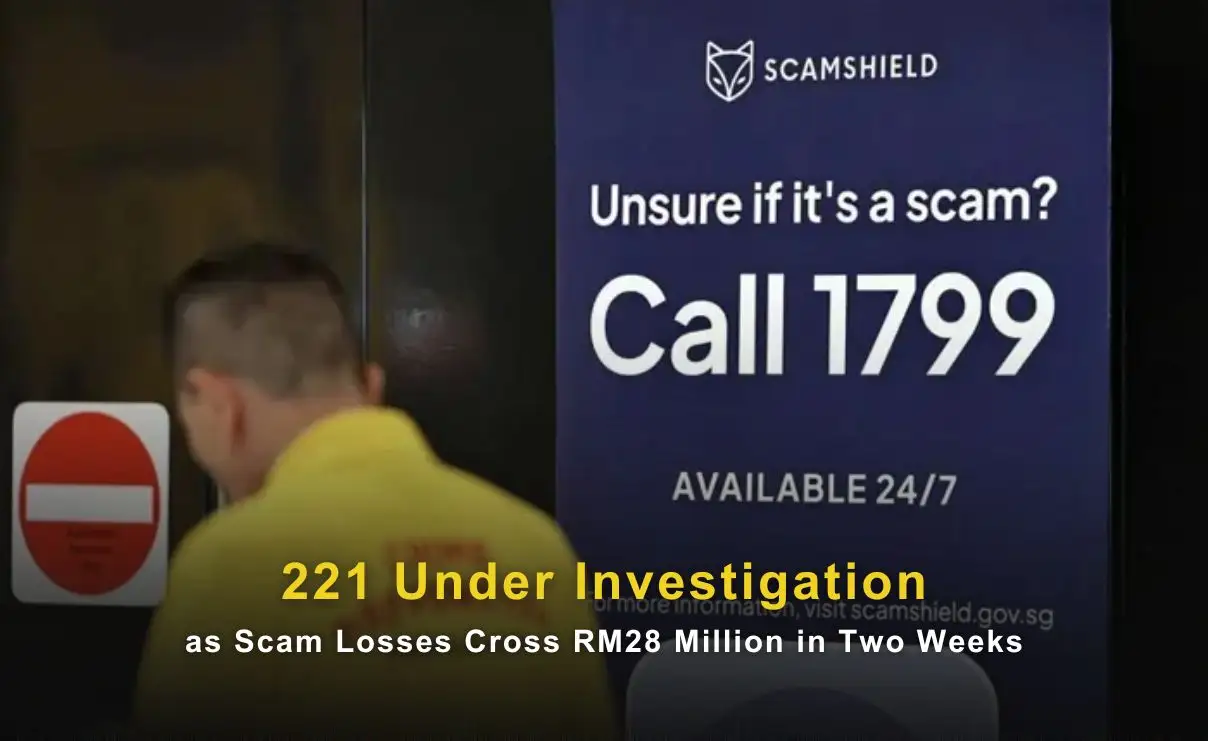
Singapore authorities have concluded a major anti-scam enforcement operation that resulted in 221 individuals being placed under investigation for their alleged roles in a wide range of fraudulent schemes.

Malaysia may be emerging as a new destination for transnational scam syndicates seeking to evade mounting pressure from international law enforcement agencies, according to a leading humanitarian organisation.

He Claimed Elite Connections. She Ended Up Losing Millions and Her Dream Car
WikiFXWikiFXWikiFXWikiFXWikiFXWikiFXWikiFXWikiFXWikiFXWikiFX