


Vietnam Becomes New Base for Cross Border Scam Syndicates After Cambodia Crackdown
Cross border scam syndicates are constantly adapting to evade law enforcement by moving from Cambodia to Vietnam.
Original

简体中文
繁體中文
English
Pусский
日本語
ภาษาไทย
Tiếng Việt
Bahasa Indonesia
Español
हिन्दी
Filippiiniläinen
Français
Deutsch
Português
Türkçe
한국어
العربية
اردو




Abstract:In Penang, a 70-year-old account manager from a private company lost RM1.36 million after falling for a scam advertised through WhatsApp that promoted a stock trading app called ‘BIONM’. The app claimed it could give returns of 8% to 15% within just two months.

Online investment scams are becoming more common in Malaysia, with recent cases showing how easily fake offers and false promises of quick profits can mislead people.
In Penang, a 70-year-old account manager from a private company lost RM1.36 million after falling for a scam advertised through WhatsApp. According to Penang police chief Datuk Hamzah Ahmad, the man saw an ad in December that promoted a stock trading app called ‘BIONM’. The app claimed it could give returns of 8% to 15% within just two months.
The man, hoping to grow his savings, downloaded the app, signed up, and made 14 money transfers to four different bank accounts. In total, he sent RM1.365 million to the scheme. He only realised something was wrong when he was told he had to pay another RM1 million as a “commission” before he could withdraw his so-called profit of RM11 million, which had supposedly built up in the app. That was when he knew he had been tricked and made a police report.

In another case, a 62-year-old retired government worker lost RM229,800 after being pulled into a fake investment scheme by a woman from Indonesia, known as Zizah. According to Seberang Perai Tengah police chief ACP Helmi Aris, the woman contacted the retiree on 4 March, pretending to have called the wrong number while looking for a plumber.
This mistake led to regular phone conversations between the two. Over time, the woman convinced the man to invest in a scheme she claimed could bring big returns. At first, the retiree made seven small payments to five different bank accounts and received some money back as promised. Feeling confident, he made seven more payments. But after that, no money came back, and he realised he had been scammed. He later reported the matter to the police.
Both cases show how scammers are using new tactics to cheat people, especially older adults who may not be as familiar with online risks. These scams often start with high-return promises or emotional tricks, and end with victims losing large amounts of money.
The police are warning the public to be careful when dealing with investment offers sent through social media, messaging apps, or from strangers. They advise checking the background of any investment and speaking to a trusted person before making payments.
With scammers becoming more clever in how they target="_blank" kwlink="6384064000816950219725">target victims, staying alert and asking questions is the best way to avoid becoming the next victim.

To prevent falling victim to fraudulent schemes like this one, using tools like WikiFX can be a game-changer. WikiFX provides detailed information on brokers, including regulatory status, customer reviews, and safety ratings, allowing users to verify the legitimacy of any investment platform before committing their money. With access to in-depth insights and risk alerts, WikiFX equips potential investors with the resources to make informed decisions and avoid unauthorised or unlicensed entities. By checking with WikiFX, users can confidently protect their savings and avoid the costly traps set by unscrupulous investment syndicates.

Disclaimer:
The views in this article only represent the author's personal views, and do not constitute investment advice on this platform. This platform does not guarantee the accuracy, completeness and timeliness of the information in the article, and will not be liable for any loss caused by the use of or reliance on the information in the article.

Cross border scam syndicates are constantly adapting to evade law enforcement by moving from Cambodia to Vietnam.
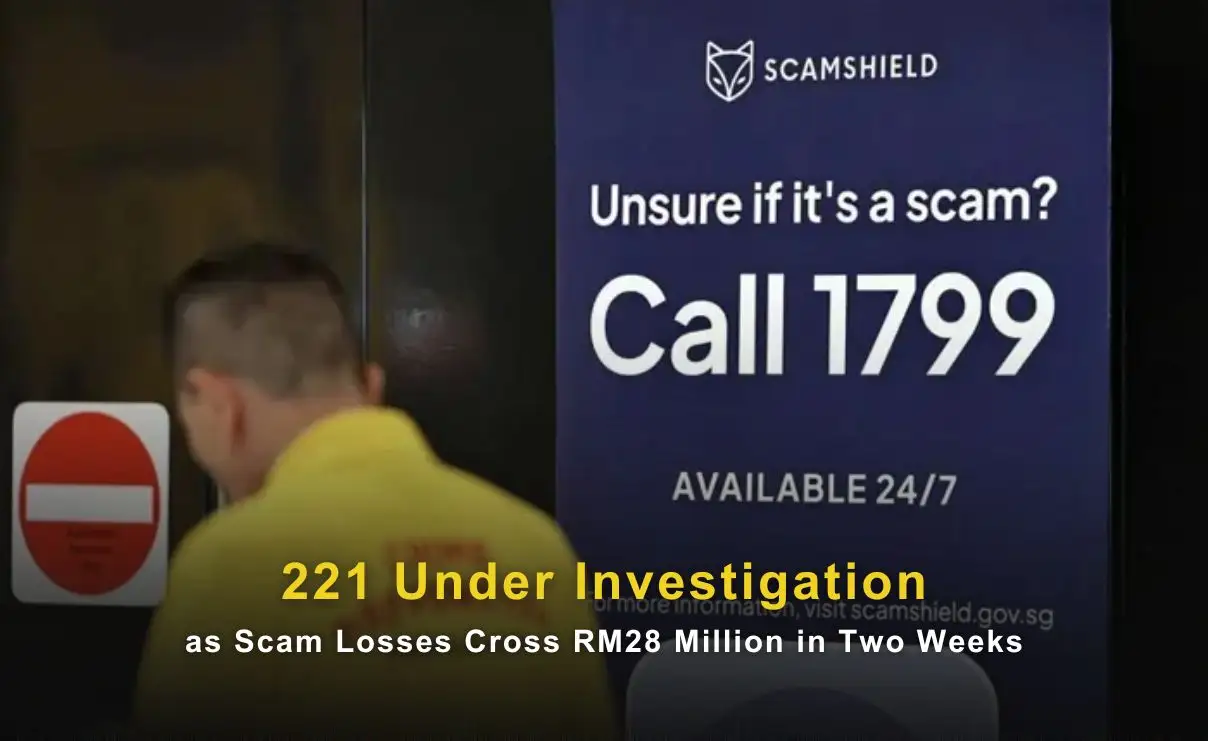
Singapore authorities have concluded a major anti-scam enforcement operation that resulted in 221 individuals being placed under investigation for their alleged roles in a wide range of fraudulent schemes.

Malaysia may be emerging as a new destination for transnational scam syndicates seeking to evade mounting pressure from international law enforcement agencies, according to a leading humanitarian organisation.

He Claimed Elite Connections. She Ended Up Losing Millions and Her Dream Car
WikiFXWikiFXWikiFXWikiFXWikiFXWikiFXWikiFXWikiFXWikiFXWikiFX