


Vietnam Becomes New Base for Cross Border Scam Syndicates After Cambodia Crackdown
Cross border scam syndicates are constantly adapting to evade law enforcement by moving from Cambodia to Vietnam.
Original

简体中文
繁體中文
English
Pусский
日本語
ภาษาไทย
Tiếng Việt
Bahasa Indonesia
Español
हिन्दी
Filippiiniläinen
Français
Deutsch
Português
Türkçe
한국어
العربية
اردو




Abstract:A 58-year-old housewife from Temerloh, Malaysia, lost RM150,190 of her savings after falling victim to an online investment scam. Hoping to earn some extra income, she instead ended up losing everything she had saved.

A 58-year-old housewife from Temerloh, Malaysia, lost RM150,190 of her savings after falling victim to an online investment scam. Hoping to earn some extra income, she instead ended up losing everything she had saved.
The scam began in January when she saw an investment ad on Facebook. It looked promising, and she decided to follow up. On 21 January, she started chatting with three individuals through WhatsApp. They convinced her to download an app and later added her to two WhatsApp groups, which seemed to be part of the investment programme.
 WikiFX graphic (1).jpg" title="WikiFX graphic (1).jpg">
Between 23 February and 18 April, she made 13 payments into two different bank accounts, using only her own money. Everything appeared to be going well until last week, when the scammers told her she had earned RM11,600 in profits. But they said she had to pay more money to withdraw her earnings.
It was at this point that she realised something was wrong. When she refused to pay more, the scammers became pushy. She then understood she had been tricked and reported the incident to the police.
Pahang police chief Datuk Seri Yahaya Othman confirmed the details in a statement. He said this kind of fraud is becoming more common and advised the public to be careful. He recommended that people check bank account numbers and phone details on the police website https://semakmule.rmp.gov.my before making any payments.
Online scams like this are on the rise, and many victims are drawn in through social media or messaging apps. One way to avoid such traps is by using tools like WikiFX. This platform helps people check if financial companies or brokers are real and properly licensed. It offers a large database of broker profiles, user reviews, and warning alerts about risky or fake platforms.

By doing some research before investing, people can protect their money and avoid falling for scams. The womans story is a warning to others: if something sounds too good to be true, it probably is.

#ScamBrokersHotTopics
Disclaimer:
The views in this article only represent the author's personal views, and do not constitute investment advice on this platform. This platform does not guarantee the accuracy, completeness and timeliness of the information in the article, and will not be liable for any loss caused by the use of or reliance on the information in the article.

Cross border scam syndicates are constantly adapting to evade law enforcement by moving from Cambodia to Vietnam.
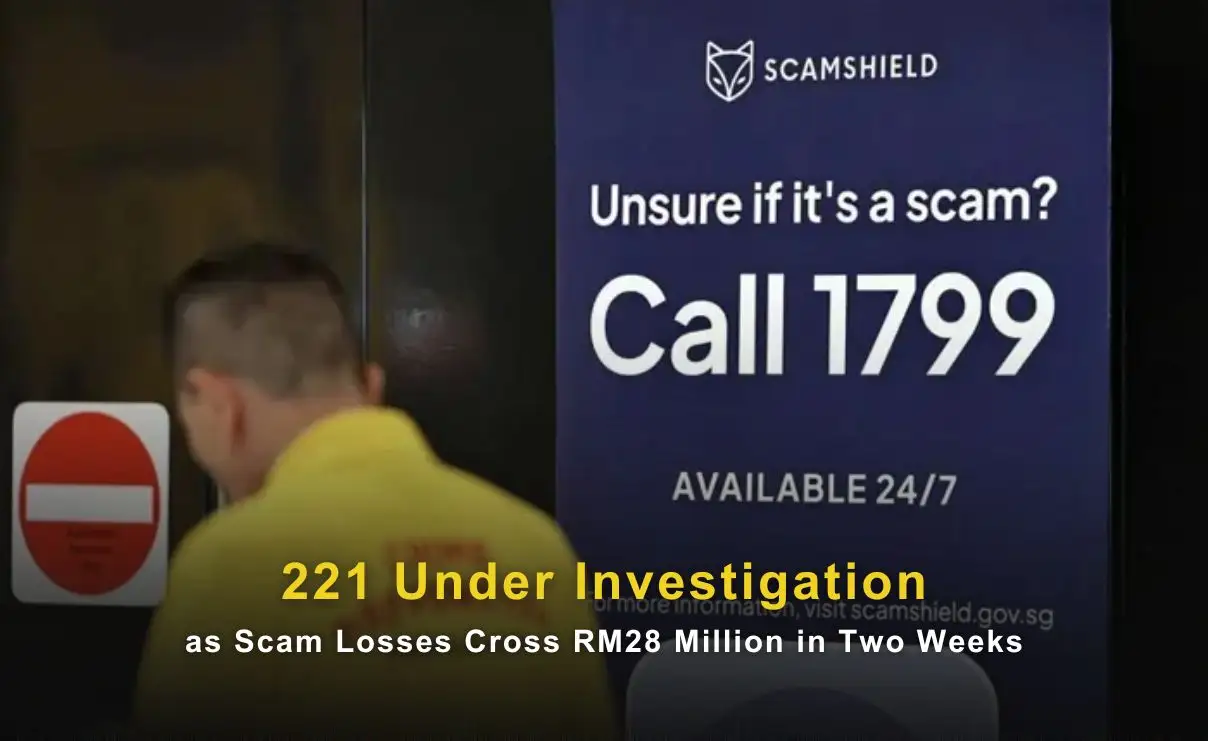
Singapore authorities have concluded a major anti-scam enforcement operation that resulted in 221 individuals being placed under investigation for their alleged roles in a wide range of fraudulent schemes.

Malaysia may be emerging as a new destination for transnational scam syndicates seeking to evade mounting pressure from international law enforcement agencies, according to a leading humanitarian organisation.

He Claimed Elite Connections. She Ended Up Losing Millions and Her Dream Car
WikiFXWikiFXWikiFXWikiFXWikiFXWikiFXWikiFXWikiFXWikiFXWikiFX