


Vietnam Becomes New Base for Cross Border Scam Syndicates After Cambodia Crackdown
Cross border scam syndicates are constantly adapting to evade law enforcement by moving from Cambodia to Vietnam.
Original

简体中文
繁體中文
English
Pусский
日本語
ภาษาไทย
Tiếng Việt
Bahasa Indonesia
Español
हिन्दी
Filippiiniläinen
Français
Deutsch
Português
Türkçe
한국어
العربية
اردو




Abstract:A woman in Labuan has become a victim of an online investment scam, losing RM33,508.25 after being misled by a fake investment offer she found on Instagram.

A woman in Labuan has become a victim of an online investment scam, losing RM33,508.25 after being misled by a fake investment offer she found on Instagram.
Labuan police chief Superintendent Mohd Hamizi Halim said the 30-year-old woman saw an advertisement on Instagram that promised high returns. Interested by the offer, she contacted the account operator through WhatsApp.
The woman was persuaded to make several bank transfers between January and April, believing she was making real investments. At first, she invested RM300 and received a 10 percent return, which made her trust the scheme even more. Encouraged by the early success, she continued to transfer larger amounts, eventually losing over RM33,000.

Problems began on 11 April when she tried to withdraw her investment profits. She was told there was a “system error” that stopped the transaction. This raised her suspicions. After several attempts to contact the Instagram operator were ignored, she decided to file a police report on 23 April at around 7:05pm.
The case is now being investigated under Section 420 of the Penal Code for cheating. If convicted, the offender could face up to 10 years in prison, whipping, and a fine.
Superintendent Mohd Hamizi explained that scammers often send a small profit at first to gain their victims' trust before convincing them to invest larger sums. He urged the public to be very careful with investment offers on social media, especially those that promise fast and guaranteed profits. These offers are usually signs of scams.
To prevent falling victim to fraudulent schemes like this one, using tools like WikiFX can be a game-changer. WikiFX provides detailed information on brokers, including regulatory status, customer reviews, and safety ratings, allowing users to verify the legitimacy of any investment platform before committing their money. With access to in-depth insights and risk alerts, WikiFX equips potential investors with the resources to make informed decisions and avoid unauthorised or unlicensed entities. By checking with WikiFX, users can confidently protect their savings and avoid the costly traps set by unscrupulous investment syndicates.

Disclaimer:
The views in this article only represent the author's personal views, and do not constitute investment advice on this platform. This platform does not guarantee the accuracy, completeness and timeliness of the information in the article, and will not be liable for any loss caused by the use of or reliance on the information in the article.

Cross border scam syndicates are constantly adapting to evade law enforcement by moving from Cambodia to Vietnam.
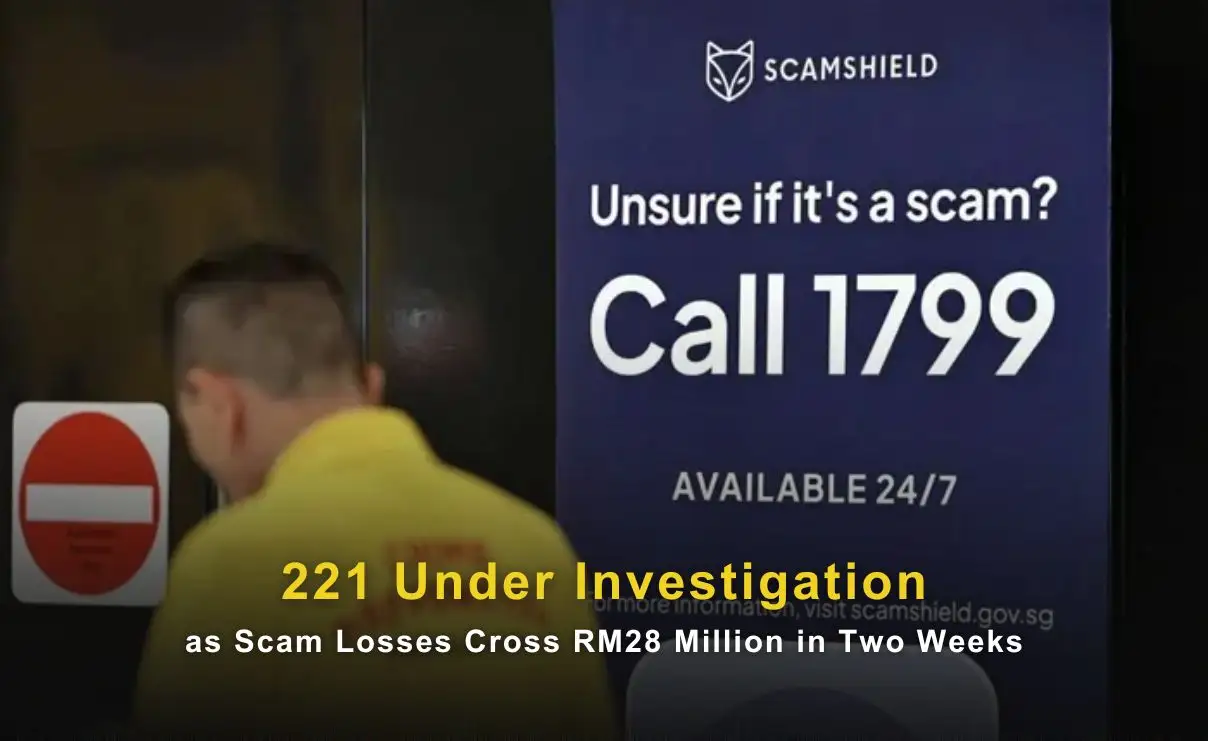
Singapore authorities have concluded a major anti-scam enforcement operation that resulted in 221 individuals being placed under investigation for their alleged roles in a wide range of fraudulent schemes.

Malaysia may be emerging as a new destination for transnational scam syndicates seeking to evade mounting pressure from international law enforcement agencies, according to a leading humanitarian organisation.

He Claimed Elite Connections. She Ended Up Losing Millions and Her Dream Car
WikiFXWikiFXWikiFXWikiFXWikiFXWikiFXWikiFXWikiFXWikiFXWikiFX