


Vietnam Becomes New Base for Cross Border Scam Syndicates After Cambodia Crackdown
Cross border scam syndicates are constantly adapting to evade law enforcement by moving from Cambodia to Vietnam.
Original

简体中文
繁體中文
English
Pусский
日本語
ภาษาไทย
Tiếng Việt
Bahasa Indonesia
Español
हिन्दी
Filippiiniläinen
Français
Deutsch
Português
Türkçe
한국어
العربية
اردو




Abstract:What started with a small profit of RM15,000 quickly turned into a financial disaster, draining an engineer’s savings and money borrowed from family.

A 36-year-old engineer in Malaysia lost more than RM1.1 million after falling for an online investment scam. What started with a small profit of RM15,000 quickly turned into a financial disaster, draining his savings and money borrowed from family.
Pahang police chief Datuk Seri Yahaya Othman said the victim joined an investment scheme called “Boom-s” on 3 December last year. The man was guided by someone claiming to be an “administrator” who showed him how to use an investment app.
After making his first profit of RM15,023 and successfully withdrawing the money, the victim believed the scheme was real. He continued investing and made 19 transactions to seven different bank accounts, adding up to RM1.1 million.
The administrator later told him he had earned over RM4 million in profit. But when the victim tried to withdraw the money, the administrator kept giving excuses and delaying the process. In the end, he never saw the money again.
Realising he had been scammed, the man filed a police report. Authorities are now investigating the case.
Datuk Seri Yahaya advised the public to be very careful with online investment offers. He stressed the importance of checking whether an investment is real before putting in any money.
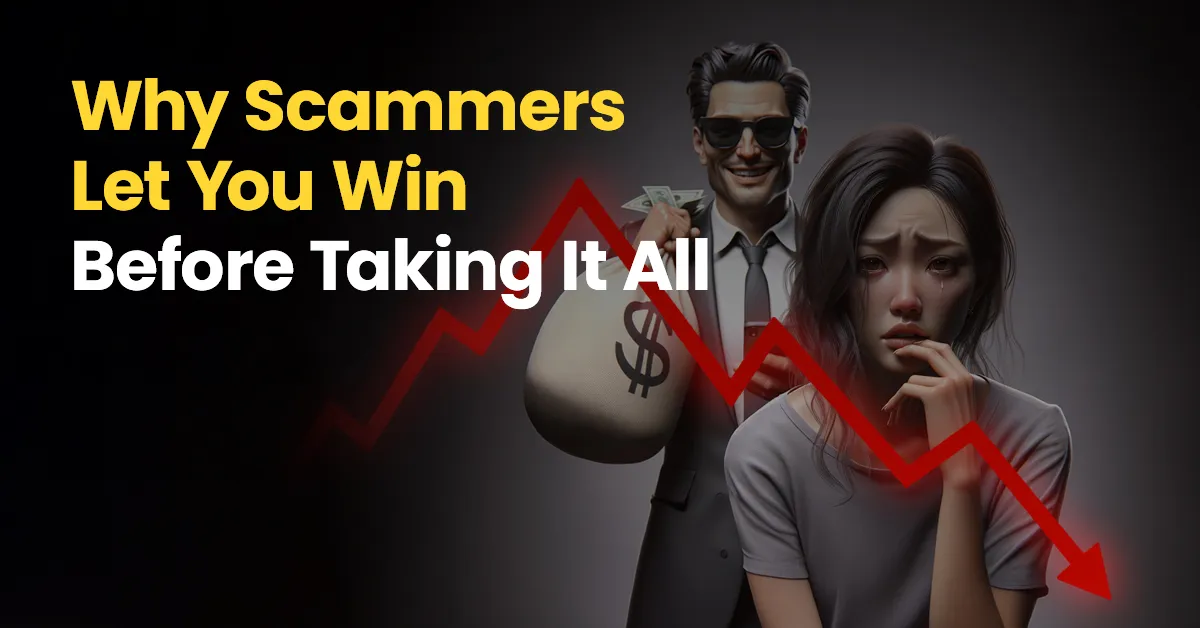
Read this article to learn why scammers let you win in the initial phase of “investment”: https://www.wikifx.com/en/newsdetail/202503148244401400.html
With online scams becoming more common, police and financial experts are warning people not to trust offers that promise quick and easy money. Even smart, educated individuals can be tricked by professional-looking scams.
The public is urged to do proper research, check if platforms are licensed, and avoid sharing personal or banking information with strangers online. The loss can be huge, not just financially, but also in terms of trust and relationships with loved ones when borrowed money is involved.

To prevent falling victim to fraudulent schemes like this one, using tools like WikiFX can be a game-changer. WikiFX provides detailed information on brokers, including regulatory status, customer reviews, and safety ratings, allowing users to verify the legitimacy of any investment platform before committing their money. With access to in-depth insights and risk alerts, WikiFX equips potential investors with the resources to make informed decisions and avoid unauthorised or unlicensed entities. By checking with WikiFX, users can confidently protect their savings and avoid the costly traps set by unscrupulous investment syndicates.

Disclaimer:
The views in this article only represent the author's personal views, and do not constitute investment advice on this platform. This platform does not guarantee the accuracy, completeness and timeliness of the information in the article, and will not be liable for any loss caused by the use of or reliance on the information in the article.

Cross border scam syndicates are constantly adapting to evade law enforcement by moving from Cambodia to Vietnam.
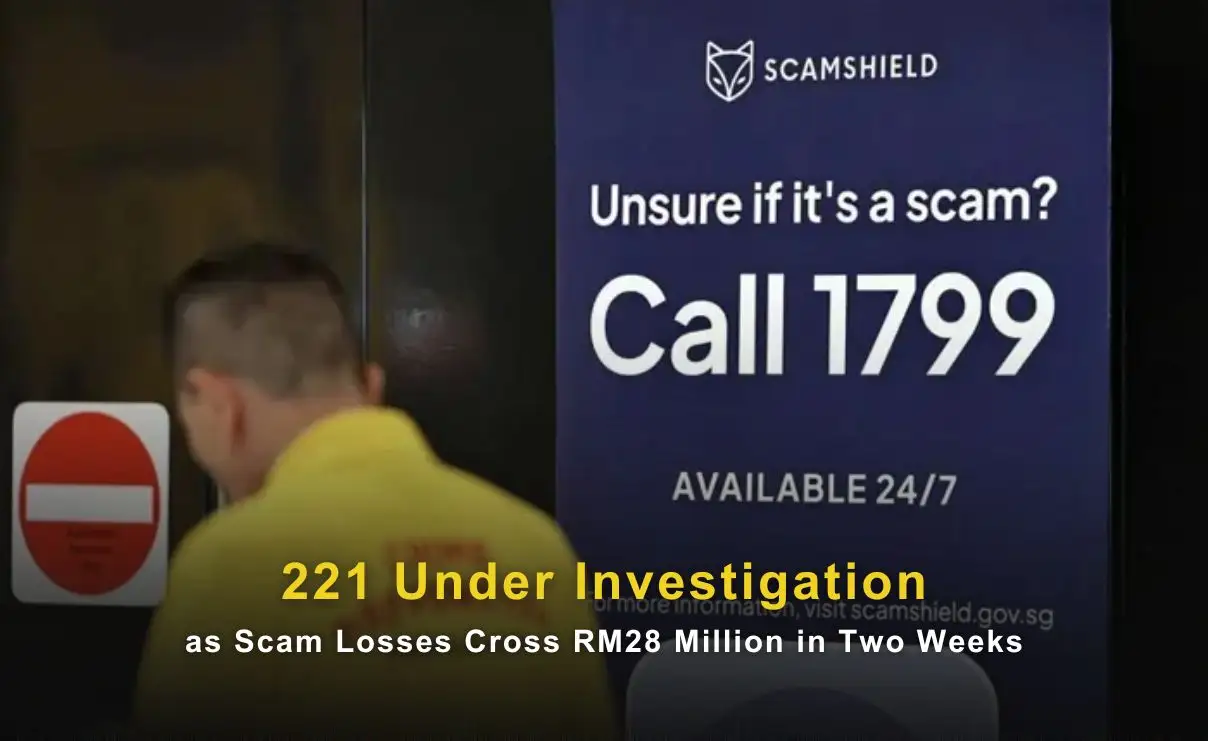
Singapore authorities have concluded a major anti-scam enforcement operation that resulted in 221 individuals being placed under investigation for their alleged roles in a wide range of fraudulent schemes.

Malaysia may be emerging as a new destination for transnational scam syndicates seeking to evade mounting pressure from international law enforcement agencies, according to a leading humanitarian organisation.

He Claimed Elite Connections. She Ended Up Losing Millions and Her Dream Car
WikiFXWikiFXWikiFXWikiFXWikiFXWikiFXWikiFXWikiFXWikiFXWikiFX