


Vietnam Becomes New Base for Cross Border Scam Syndicates After Cambodia Crackdown
Cross border scam syndicates are constantly adapting to evade law enforcement by moving from Cambodia to Vietnam.
Original

简体中文
繁體中文
English
Pусский
日本語
ภาษาไทย
Tiếng Việt
Bahasa Indonesia
Español
हिन्दी
Filippiiniläinen
Français
Deutsch
Português
Türkçe
한국어
العربية
اردو




Abstract:A woman in her late 40s, working as a civil servant in Sibu, Sarawak, has lost more than RM600,000 to a fake investment scheme promoted through social media.
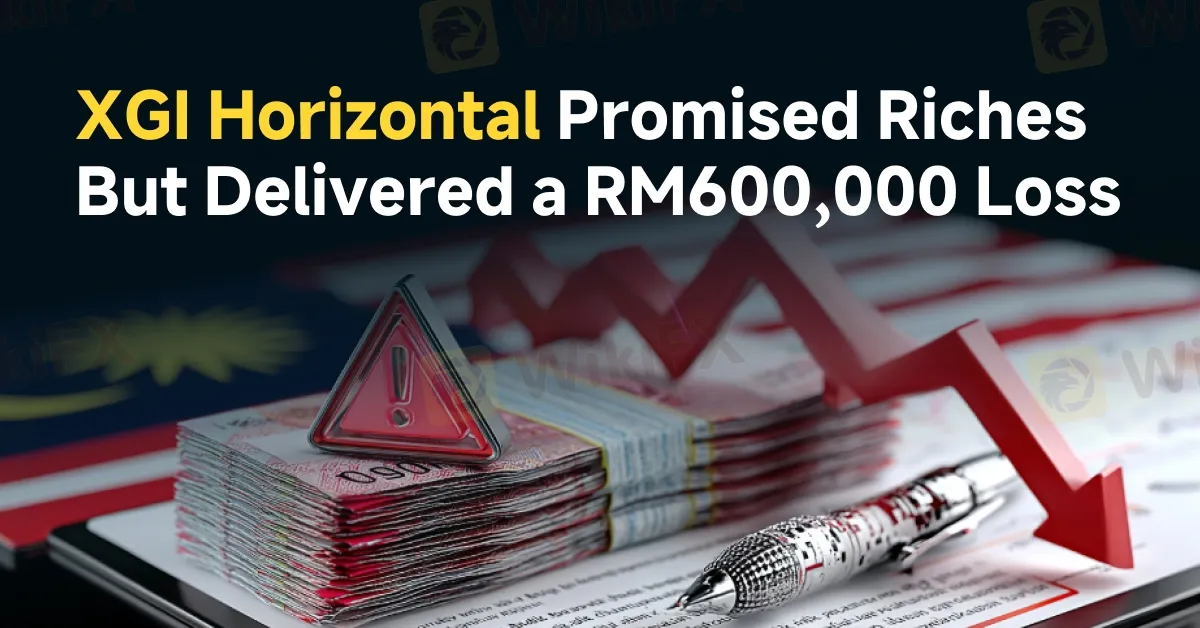
A woman in her late 40s, working as a civil servant in Sibu, Sarawak, has lost more than RM600,000 to a fake investment scheme promoted through social media.
The victim came across the investment offer on Facebook in early March 2025 while browsing at home. The scheme, run by a group calling itself “XGI Horizontal,” promised large profits in a short amount of time. Attracted by the offer, the woman began speaking to the person behind the ad through WhatsApp.
Over time, she made several bank transfers to the scammers account. In total, she sent around RM600,000, believing she would soon receive the high returns she was promised. However, the fraud only became clear when the scammer continued asking for more money, and she realised she had not received any of the promised profits.

Police said the woman then filed a report after understanding she had been tricked. Authorities have urged the public to be extra careful when dealing with investment opportunities, especially those advertised online or through social media platforms.
This case is one of many showing how fraudsters are using digital tools to target people with offers that sound too good to be true. These scams often appear professional and convincing, making it difficult for victims to see the warning signs.
To help prevent such losses, potential investors are advised to check the background of any investment platform before sending money. One tool that can help is WikiFX, a free mobile app available on Google Play and the App Store. It allows users to search for information about brokers, including their licence status, user reviews, and safety scores.

WikiFX gives users important details that can help them decide whether a platform is safe. It also warns people about risky or unlicensed investment services. With this kind of information, investors can protect themselves and avoid falling into scams.

Disclaimer:
The views in this article only represent the author's personal views, and do not constitute investment advice on this platform. This platform does not guarantee the accuracy, completeness and timeliness of the information in the article, and will not be liable for any loss caused by the use of or reliance on the information in the article.
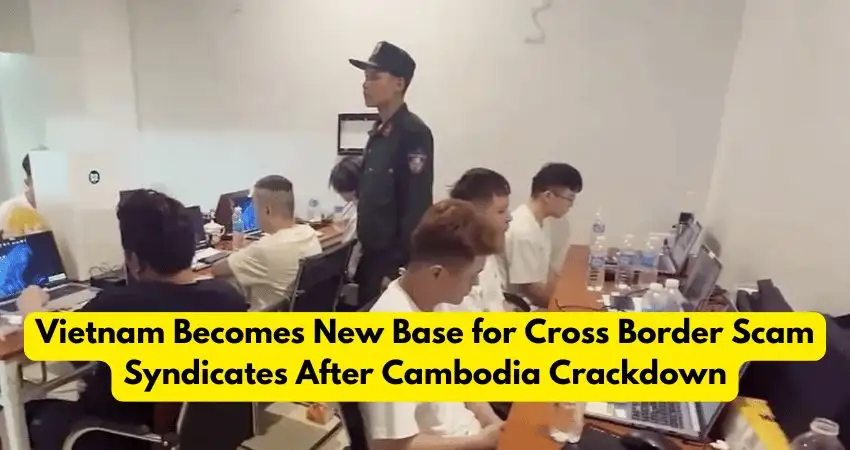
Cross border scam syndicates are constantly adapting to evade law enforcement by moving from Cambodia to Vietnam.
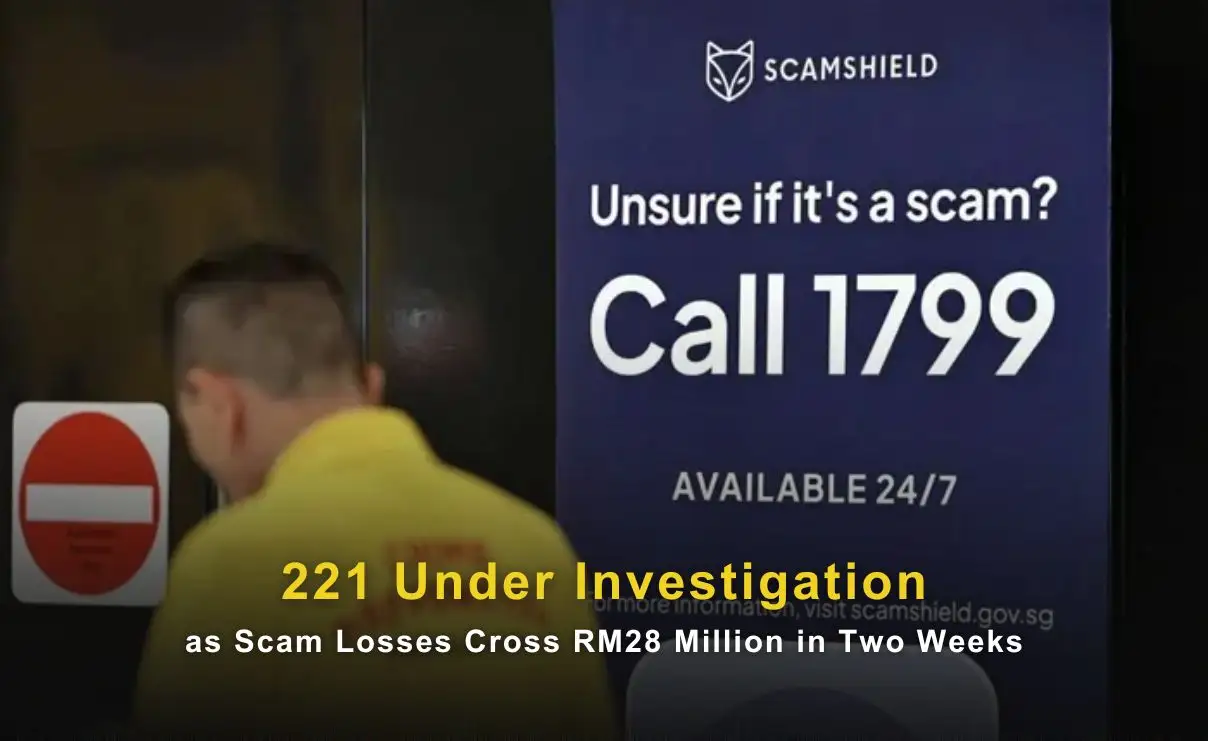
Singapore authorities have concluded a major anti-scam enforcement operation that resulted in 221 individuals being placed under investigation for their alleged roles in a wide range of fraudulent schemes.
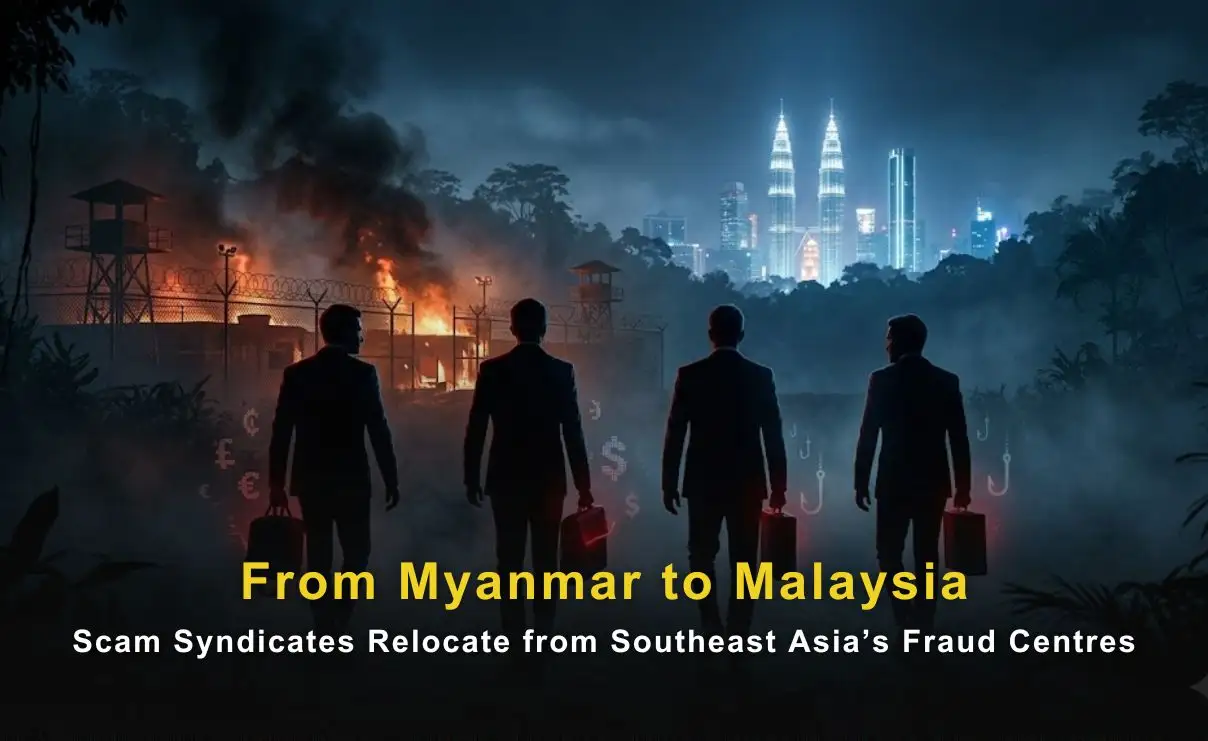
Malaysia may be emerging as a new destination for transnational scam syndicates seeking to evade mounting pressure from international law enforcement agencies, according to a leading humanitarian organisation.

He Claimed Elite Connections. She Ended Up Losing Millions and Her Dream Car
WikiFXWikiFXWikiFXWikiFXWikiFXWikiFXWikiFXWikiFXWikiFXWikiFX