


Vietnam Becomes New Base for Cross Border Scam Syndicates After Cambodia Crackdown
Cross border scam syndicates are constantly adapting to evade law enforcement by moving from Cambodia to Vietnam.
Original

简体中文
繁體中文
English
Pусский
日本語
ภาษาไทย
Tiếng Việt
Bahasa Indonesia
Español
हिन्दी
Filippiiniläinen
Français
Deutsch
Português
Türkçe
한국어
العربية
اردو




Abstract:A 56-year-old clerk in Malaysia lost more than RM1 million after falling for a fake investment scheme she found through Facebook.
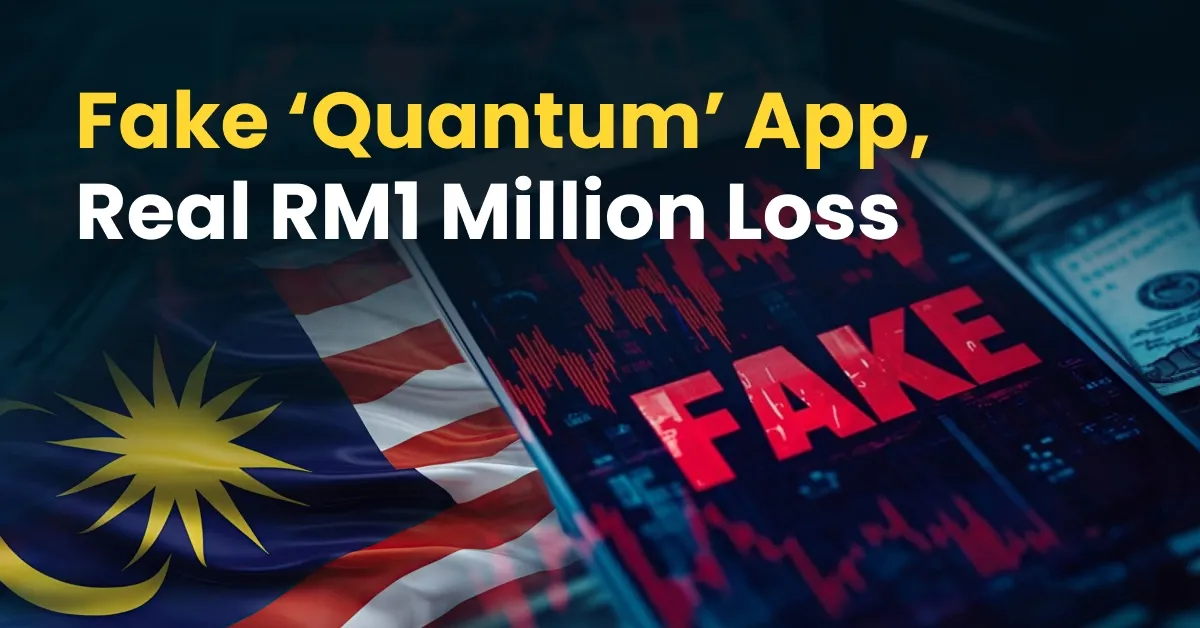
A 56-year-old clerk in Malaysia lost more than RM1 million after falling for a fake investment scheme she found through social media.
According to Pahang police chief, Commissioner Datuk Seri Yahaya Othman, the woman first saw a stock investment advertisement on Facebook. After clicking on the link, she received a WhatsApp message from someone who claimed to represent the company. The person told her to download an app called “Quantum,” saying it could help her invest in both local and U.S. stock markets.
Later, another person contacted her on WhatsApp, claiming to be a customer service agent. This person gave her instructions to transfer money into several different bank accounts as part of the investment process.

Between 12 February and 26 March, the woman made 18 separate transactions, sending money to seven different bank accounts. In total, she transferred over RM1 million.
To make these payments, she used her savings and money from her Employees Provident Fund (EPF). She also took out loans from banks. At first, she received RM20,000 in returns. But when no further profits came, she realised something was wrong. She reported the incident to the police at the Kuantan district headquarters on 14 April.
Police are now investigating the case. This incident shows how risky it can be to trust investment offers seen on social media, especially those that promise quick or high returns. Scams like these are becoming more common and more convincing.
To help avoid such scams, investors can use tools like WikiFX. It is a free mobile app available on Google Play and the App Store. WikiFX allows users to check if a broker or investment platform is licensed and safe to use. It also provides customer reviews and safety ratings.
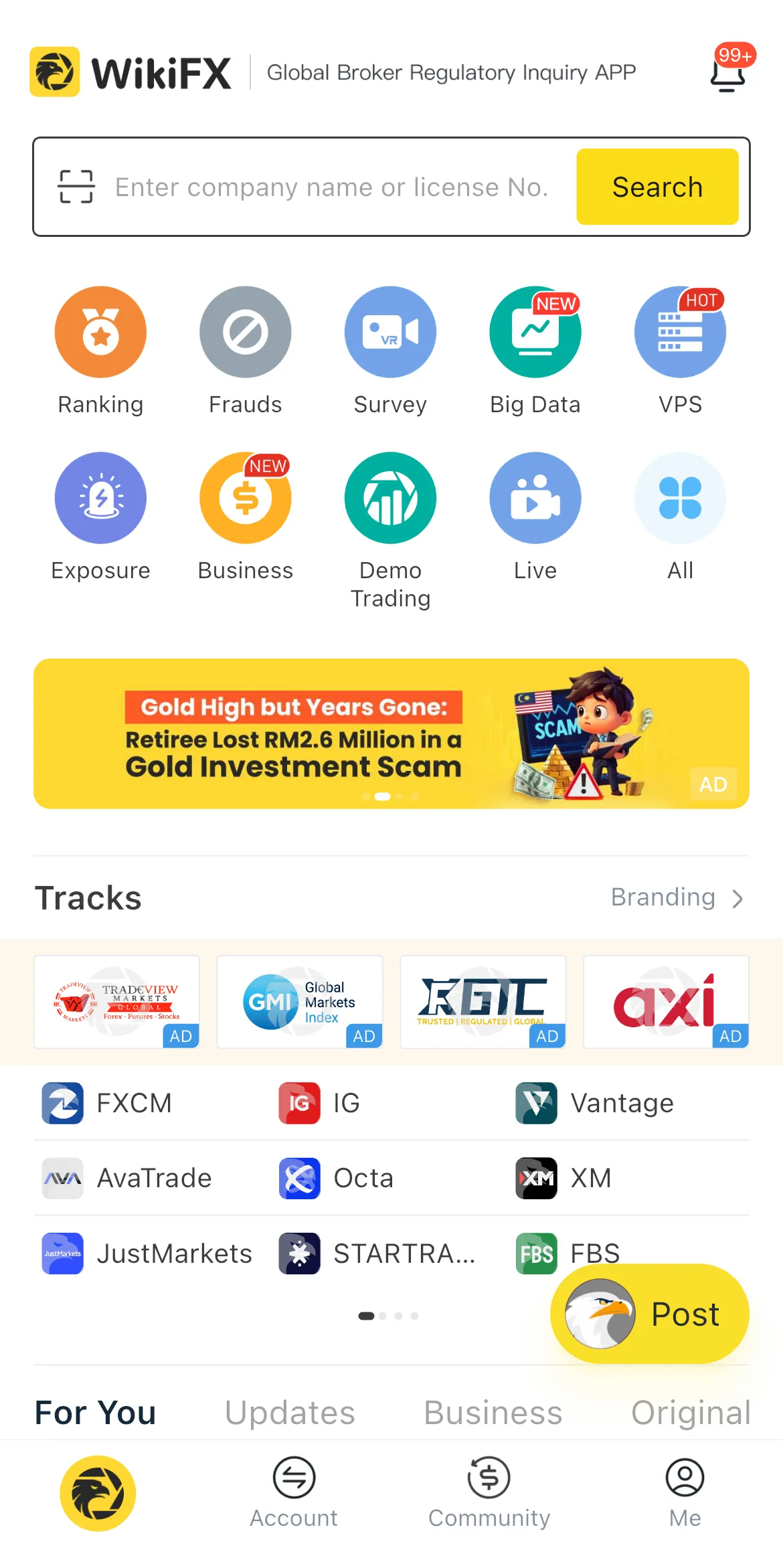
With apps like WikiFX, users can check important information before investing any money. The app also gives alerts about possible risks and shows whether an investment company is regulated. This can help people make better choices and avoid losing their savings to scams.
Always check if a company is legal and never rush into deals that seem too good to be true. If unsure, get advice from a trusted financial expert before investing.

Disclaimer:
The views in this article only represent the author's personal views, and do not constitute investment advice on this platform. This platform does not guarantee the accuracy, completeness and timeliness of the information in the article, and will not be liable for any loss caused by the use of or reliance on the information in the article.

Cross border scam syndicates are constantly adapting to evade law enforcement by moving from Cambodia to Vietnam.
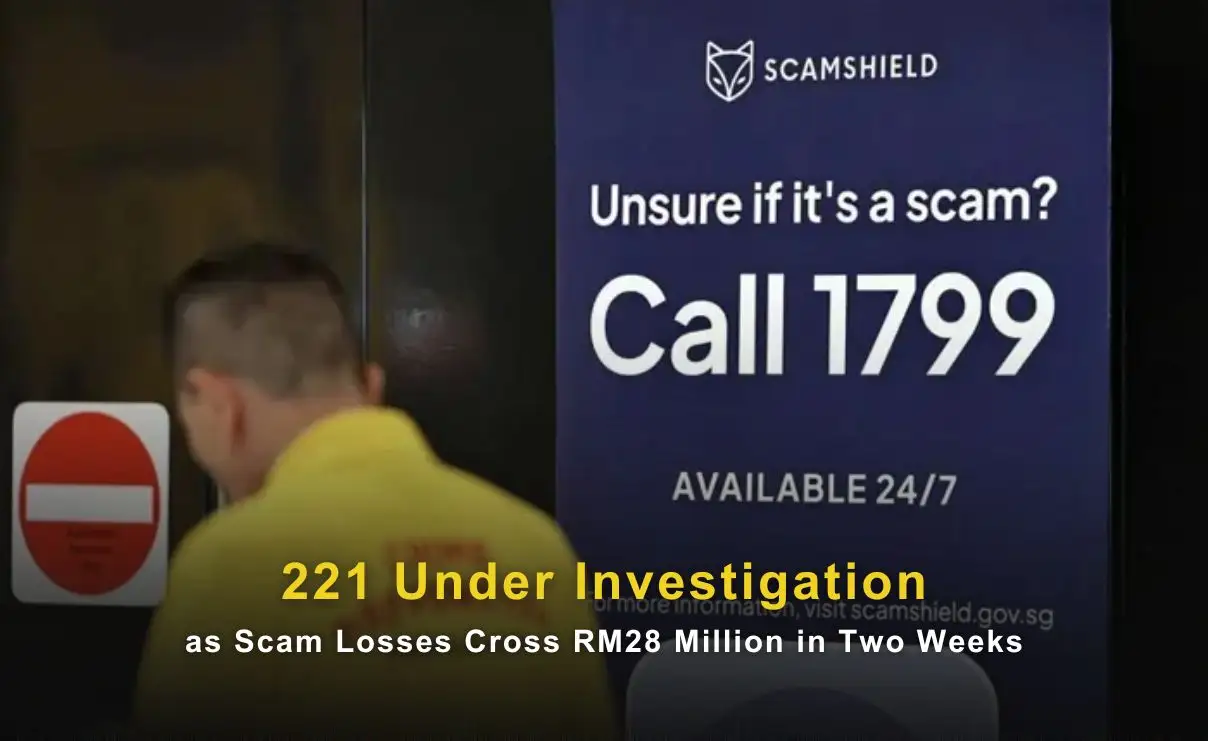
Singapore authorities have concluded a major anti-scam enforcement operation that resulted in 221 individuals being placed under investigation for their alleged roles in a wide range of fraudulent schemes.

Malaysia may be emerging as a new destination for transnational scam syndicates seeking to evade mounting pressure from international law enforcement agencies, according to a leading humanitarian organisation.

He Claimed Elite Connections. She Ended Up Losing Millions and Her Dream Car
WikiFXWikiFXWikiFXWikiFXWikiFXWikiFXWikiFXWikiFXWikiFXWikiFX