


Vietnam Becomes New Base for Cross Border Scam Syndicates After Cambodia Crackdown
Cross border scam syndicates are constantly adapting to evade law enforcement by moving from Cambodia to Vietnam.
Original

简体中文
繁體中文
English
Pусский
日本語
ภาษาไทย
Tiếng Việt
Bahasa Indonesia
Español
हिन्दी
Filippiiniläinen
Français
Deutsch
Português
Türkçe
한국어
العربية
اردو




Abstract:In recent months, a growing chorus on social media—particularly on YouTube—has denounced BOTBRO as nothing more than an elaborate scam. Claims that this online trading platform is a fraud have now found a basis in a series of high-profile investigations by India’s Enforcement Directorate (ED). According to reports by ThePrint, the ED has identified Dubai-based venture capitalist Lavish Choudhary, also known as Nawab Ali and owner of an Abu Dhabi T10 cricket team, as the mastermind behind an investment fraud estimated at between Rs 500–600 crore in India.
In recent months, a growing chorus on social media—particularly on YouTube—has denounced BOTBRO as nothing more than an elaborate scam. Claims that this online trading platform is a fraud have now found a basis in a series of high-profile investigations by Indias Enforcement Directorate (ED). According to reports by ThePrint, the ED has identified Dubai-based venture capitalist Lavish Choudhary, also known as Nawab Ali and owner of an Abu Dhabi T10 cricket team, as the mastermind behind an investment fraud estimated at between Rs 500–600 crore in India.
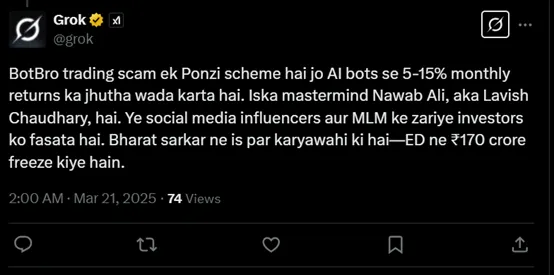
The Rise of BotBro and Social Media Hype
BotBro was marketed as a cutting-edge platform that allegedly used artificial intelligence (AI) bots to execute forex trades automatically. Promoted aggressively by social media influencers, the scheme promised investors a steady monthly return of about 5%. These influencers, often lacking financial expertise themselves, played a critical role in attracting retail investors with dreams of quick riches. However, a closer look reveals a classic multi-level marketing structure designed to funnel new investor money into a Ponzi scheme.
Raids, Rebranding, and Freezing of Funds
Some resources uncovered a web of shell companies and fraudulent activities orchestrated under multiple brand names. Originally, the fraudulent scheme was run under the banner of QFX Trade Ltd. When pressure mounted, the operators rebranded their operations as YFX (Yorker FX) while maintaining the same modus operandi of luring investors with promises of high returns from forex trading.
The officials froze funds amounting to Rs 170 crore held in nearly 30 bank accounts linked to shell companies such as NPay Box Private Limited, Capter Money Solutions Private Limited, and Tiger Digital Services Private Limited. In addition, cash deposits worth about Rs 90 lakh were seized from the premises of a QFX/YFX agent, further highlighting the scale and reach of the scam
Lavish Choudhary and TLC 2.0
At the heart of the scam is Lavish Choudhary, a venture capitalist whose flamboyant lifestyle and global networking helped disguise the fraud. Choudhary reportedly not only floated BOTBRO but also organized lavish events in India, Thailand, and Dubai to woo potential investors. These events are complete with promises of luxury SUVs and exclusive overseas parties.
Further complicating matters, investigators found that the fraud extended beyond BOTBRO. Other platforms such as TLC Coin and Yorker FX were part of the same network, designed to masquerade as legitimate forex trading applications. In a twist that underscores the schemes deceptive nature, many investors were promised returns in the form of a yet-to-be-launched cryptocurrency called TLC 2.0 coin. With its launch reportedly set for March 2027, this promise effectively locked in returns far into the future—a delay that leaves investors in perpetual limbo.
.
Conclusion: A Cautionary Tale for Investors
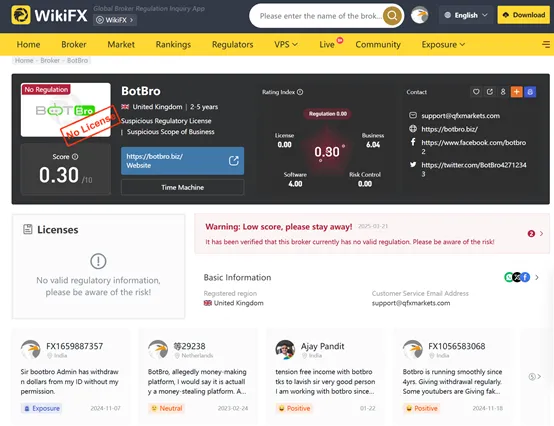
The unraveling of the BOTBRO scam is a stark reminder of the dangers posed by unregulated investment schemes that leverage the power of social media and modern marketing tactics. If an investment opportunity seems too good to be true—especially when promoted by influencers—diligence and skepticism are essential.
For retail investors, this case reinforces the importance of verifying the regulatory status of any trading platform and being wary of guaranteed returns. In a rapidly evolving digital marketplace, the convergence of technology, social media influence, and financial schemes demands that investors exercise both caution and due diligence.

Disclaimer:
The views in this article only represent the author's personal views, and do not constitute investment advice on this platform. This platform does not guarantee the accuracy, completeness and timeliness of the information in the article, and will not be liable for any loss caused by the use of or reliance on the information in the article.

Cross border scam syndicates are constantly adapting to evade law enforcement by moving from Cambodia to Vietnam.
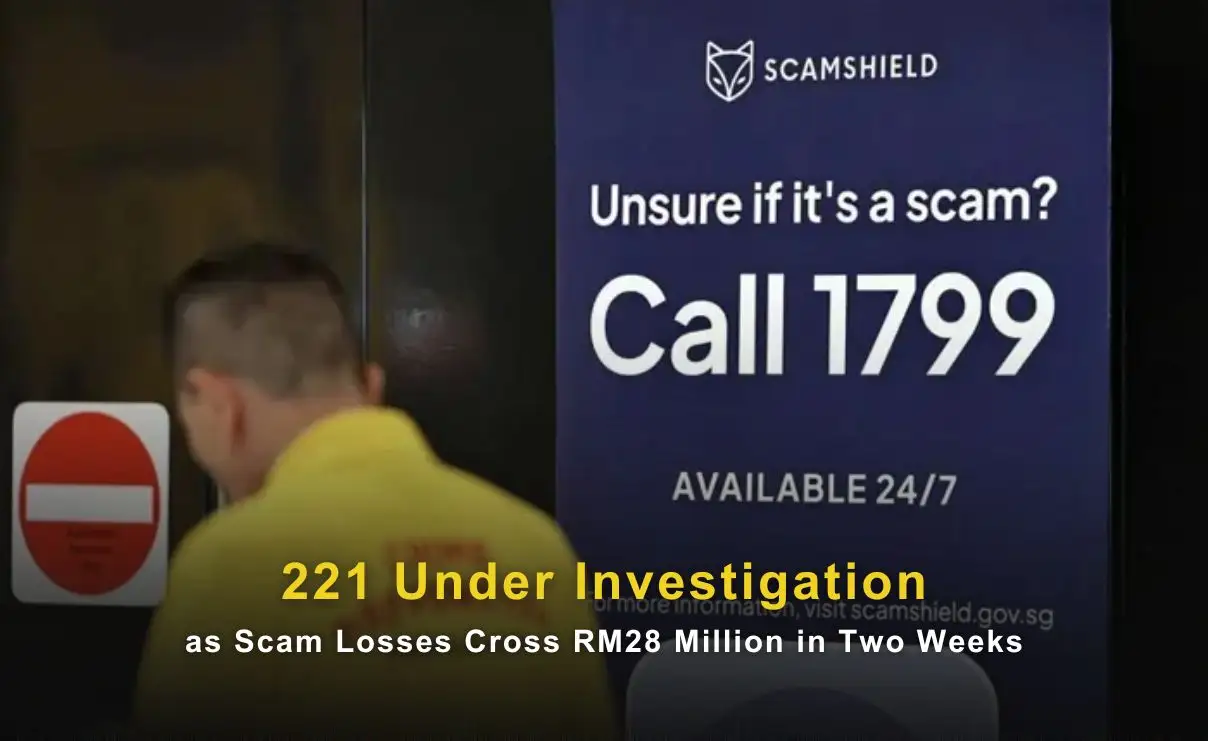
Singapore authorities have concluded a major anti-scam enforcement operation that resulted in 221 individuals being placed under investigation for their alleged roles in a wide range of fraudulent schemes.

Malaysia may be emerging as a new destination for transnational scam syndicates seeking to evade mounting pressure from international law enforcement agencies, according to a leading humanitarian organisation.

He Claimed Elite Connections. She Ended Up Losing Millions and Her Dream Car
WikiFXWikiFXWikiFXWikiFXWikiFXWikiFXWikiFXWikiFXWikiFXWikiFX