


Vietnam Becomes New Base for Cross Border Scam Syndicates After Cambodia Crackdown
Cross border scam syndicates are constantly adapting to evade law enforcement by moving from Cambodia to Vietnam.
Original

简体中文
繁體中文
English
Pусский
日本語
ภาษาไทย
Tiếng Việt
Bahasa Indonesia
Español
हिन्दी
Filippiiniläinen
Français
Deutsch
Português
Türkçe
한국어
العربية
اردو




Abstract:A Malaysian company manager recently suffered a significant loss of RM766,788 (US$173,000) after falling victim to an elaborate gold investment scam promoted on Facebook.

A Malaysian company manager recently suffered a significant financial setback after falling victim to an elaborate gold investment scam promoted on Facebook. The 34-year-old investor was deceived into transferring a total of RM766,788 (US$173,000) to fraudsters.
The scheme began in February when the victim was approached via Facebook by an individual using the name “Celeste Yee.” She introduced him to an online trading platform that purportedly offered lucrative returns on gold investments. Encouraged by an initial profit, he gradually increased his financial commitments, only to discover later that he had been defrauded.
According to Pahang police chief Yahaya Othman, the investors first deposit of RM5,000 yielded a return of RM5,700, which led him to believe in the platform's legitimacy. Over the following weeks, between February 12 and March 16, he made a total of 37 transactions, transferring funds to five different bank accounts. However, when he attempted to withdraw both his capital and the promised earnings, he found that the funds were inaccessible.
The financial loss extended beyond his personal savings, as he had also taken loans from both his mother and a bank to increase his investments. Realising that he had been deceived, he filed a police report.

In a separate case in March, a Singaporean woman lost her entire life savings—amounting to S$1.2 million (US$900,900)—to individuals impersonating officers from the polices Anti-Scam Centre (ASC). Over a span of two months, the fraudsters manipulated her into transferring funds under the pretext of an official investigation, leaving her financially devastated.
As financial scams become more intricate, regulatory bodies and financial experts continue to stress the importance of investor education. Vigilance remains key, particularly as online platforms become increasingly central to investment opportunities. Those seeking to invest are advised to research companies thoroughly, check for regulatory approvals, and remain sceptical of any scheme that guarantees high returns with minimal risk.

To help protect individuals from falling prey to unauthorised investment schemes, WikiFX offers essential tools and resources for verifying the legitimacy of brokers and financial platforms. With an extensive database of global broker profiles, regulatory status updates, and user reviews, WikiFX empowers users to make informed decisions before committing to any financial investment. The apps risk ratings and alerts for unlicensed or suspicious entities enable investors to easily spot red flags and avoid potential scams. By checking a broker's background on WikiFX, users can better safeguard their hard-earned savings and steer clear of fraudulent schemes, making WikiFX an indispensable resource for safer investing.

Disclaimer:
The views in this article only represent the author's personal views, and do not constitute investment advice on this platform. This platform does not guarantee the accuracy, completeness and timeliness of the information in the article, and will not be liable for any loss caused by the use of or reliance on the information in the article.

Cross border scam syndicates are constantly adapting to evade law enforcement by moving from Cambodia to Vietnam.
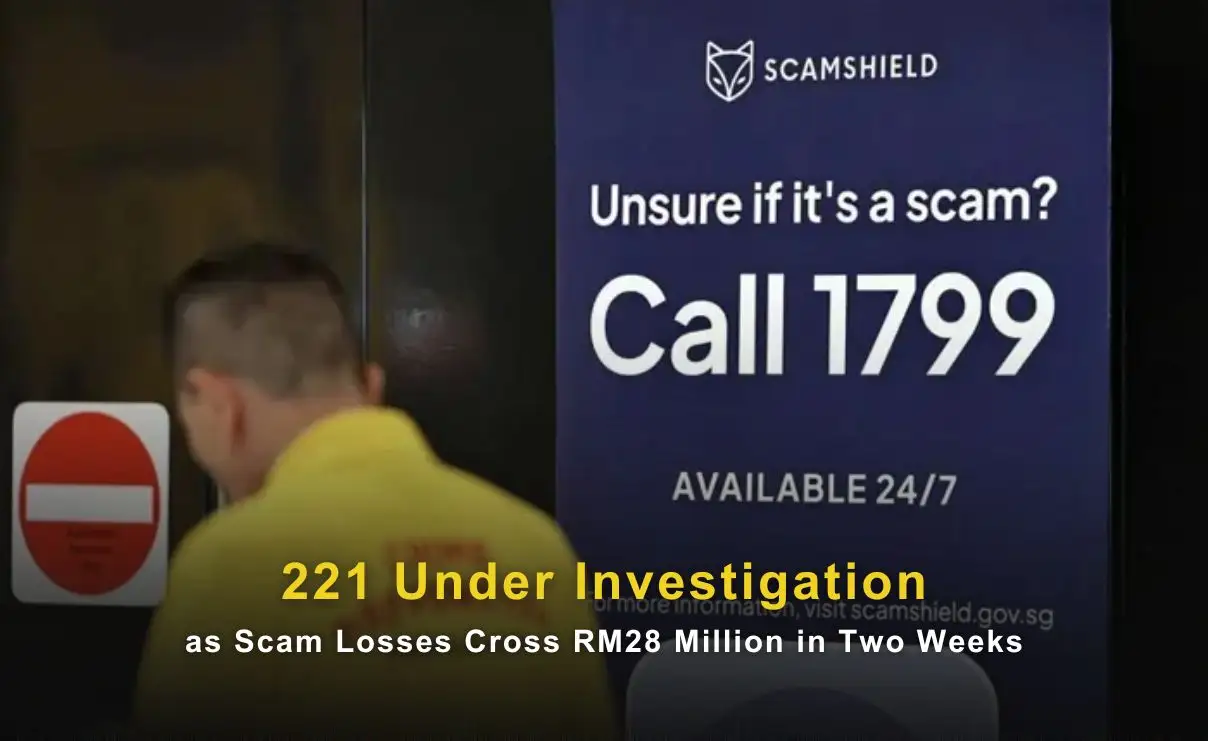
Singapore authorities have concluded a major anti-scam enforcement operation that resulted in 221 individuals being placed under investigation for their alleged roles in a wide range of fraudulent schemes.

Malaysia may be emerging as a new destination for transnational scam syndicates seeking to evade mounting pressure from international law enforcement agencies, according to a leading humanitarian organisation.

He Claimed Elite Connections. She Ended Up Losing Millions and Her Dream Car
WikiFXWikiFXWikiFXWikiFXWikiFXWikiFXWikiFXWikiFXWikiFXWikiFX