


Vietnam Becomes New Base for Cross Border Scam Syndicates After Cambodia Crackdown
Cross border scam syndicates are constantly adapting to evade law enforcement by moving from Cambodia to Vietnam.
Original

简体中文
繁體中文
English
Pусский
日本語
ภาษาไทย
Tiếng Việt
Bahasa Indonesia
Español
हिन्दी
Filippiiniläinen
Français
Deutsch
Português
Türkçe
한국어
العربية
اردو




Abstract:Authorities in Johor are investigating two online investment scams that have left victims including a teacher and a surveyor, losing a significant total of RM102,024

Authorities in Johor are investigating two online investment scams that have left victims including a teacher and a surveyor, losing a significant total of RM102,024.
In the first case, a 34-year-old teacher fell victim to a fraudulent cryptocurrency scheme, which resulted in a loss of RM80,524. The victim was approached by a man she met through the matchmaking website Baitul Muslim. She was led to believe that investing in a cryptocurrency project would yield substantial returns. Over a period from March 10 to March 13, 2025, the teacher transferred a total of RM110,510 into several different bank accounts. However, despite making multiple transactions, she only received RM29,985 in return, which led her to realise that she had been scammed. A further investigation revealed that one of the bank accounts involved in the scam had a history of previous fraud-related records.
In a separate incident, a 58-year-old surveyor was tricked into a similar scam. The victim, based in Dipolo Park, Johor Baru, encountered an advertisement on Facebook in September 2024 promoting stock investment opportunities. This led to a WhatsApp conversation with an individual named 'Sara,' who presented herself as a customer service representative. She assured the surveyor that the scheme would offer returns of up to 50% in a short period of time. Subsequently, the victim was introduced to another individual, 'Ellie,' who posed as an account manager and instructed him to register on an application called Silegax Exchange. Over the next few months, the surveyor made several payments based on the belief that he would see substantial returns on his investments. Between December 2024 and March 2025, he transferred funds to four different bank accounts belonging to various companies. However, as time passed without any returns, the victim grew suspicious and realised he had been deceived when the scammers continued to request additional payments, claiming they were necessary to unlock his profits. Further checks through the CCID Semak Mule application revealed that two of the accounts involved had been linked to at least 11 previous fraud cases.
Both scams are being investigated under Section 420 of the Penal Code for cheating, which can result in a sentence of up to 10 years in prison, whipping, and a fine if the perpetrators are convicted. The police have issued a stern warning about the increasing prevalence of online investment fraud, which is affecting people from all professional backgrounds, including teachers, doctors, and government officers. They urged the public to remain vigilant and avoid investment schemes that promise unrealistic returns within a short period, especially those proposed by individuals met on social media platforms.
Police have also advised the public to verify any suspicious phone numbers and bank accounts using tools such as Truecaller or the CCID Semak Mule application. Additionally, the National Scam Response Centre (NSRC) can be contacted by calling 997 to report fraudulent activity. To keep updated on the latest scam tactics, individuals are encouraged to follow the Commercial Crime Investigation Department (JSJK) on platforms like Facebook, Instagram, and TikTok.
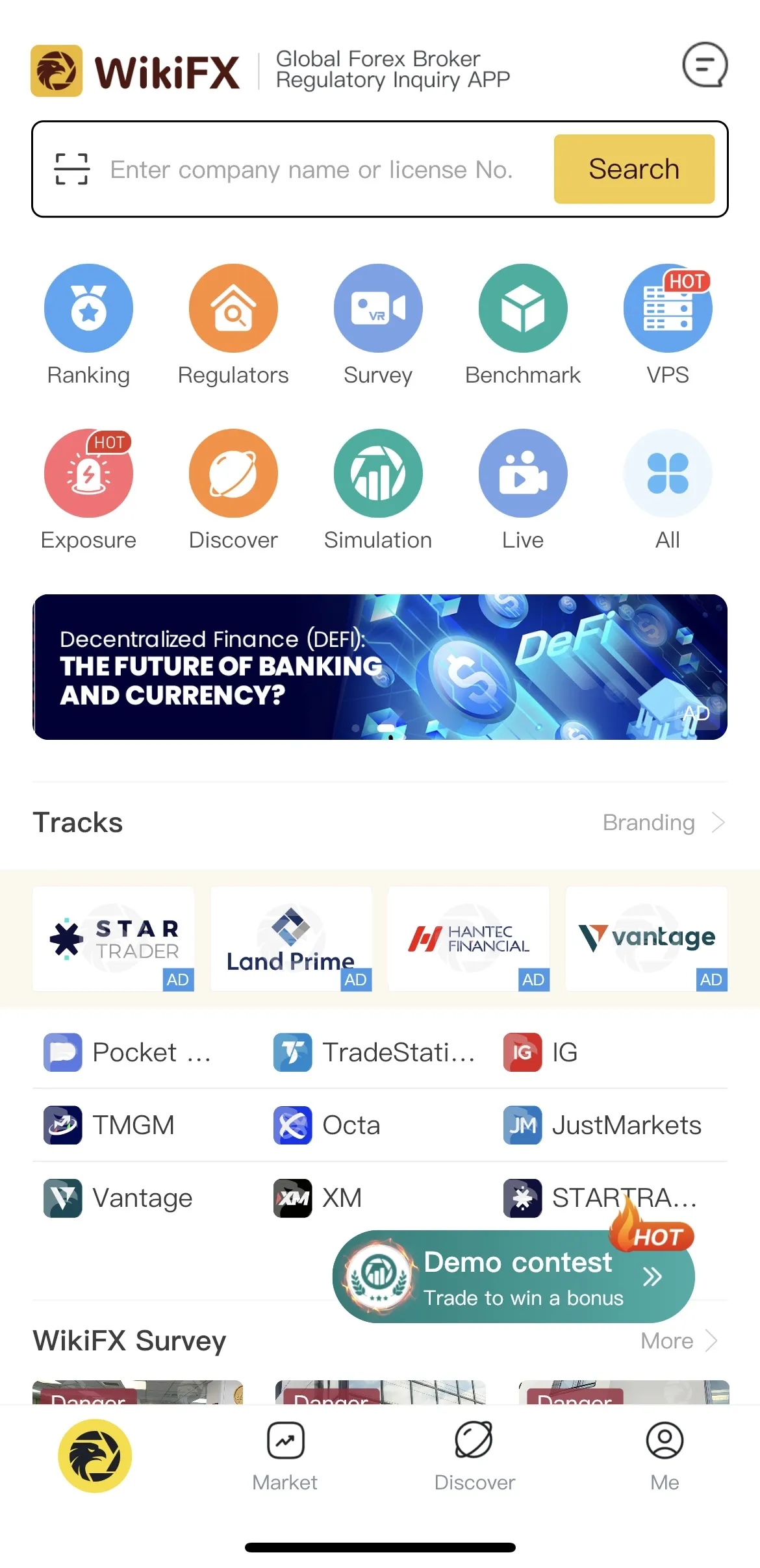
For those looking to make safer investment decisions, it is recommended to use resources such as the WikiFX mobile application. This free tool, available on both Google Play and the App Store, helps users verify the legitimacy of brokers and investment platforms by providing insights into their regulatory status, customer reviews, and safety ratings. With WikiFX, investors can make more informed decisions and avoid falling victim to fraudulent schemes.

Disclaimer:
The views in this article only represent the author's personal views, and do not constitute investment advice on this platform. This platform does not guarantee the accuracy, completeness and timeliness of the information in the article, and will not be liable for any loss caused by the use of or reliance on the information in the article.

Cross border scam syndicates are constantly adapting to evade law enforcement by moving from Cambodia to Vietnam.
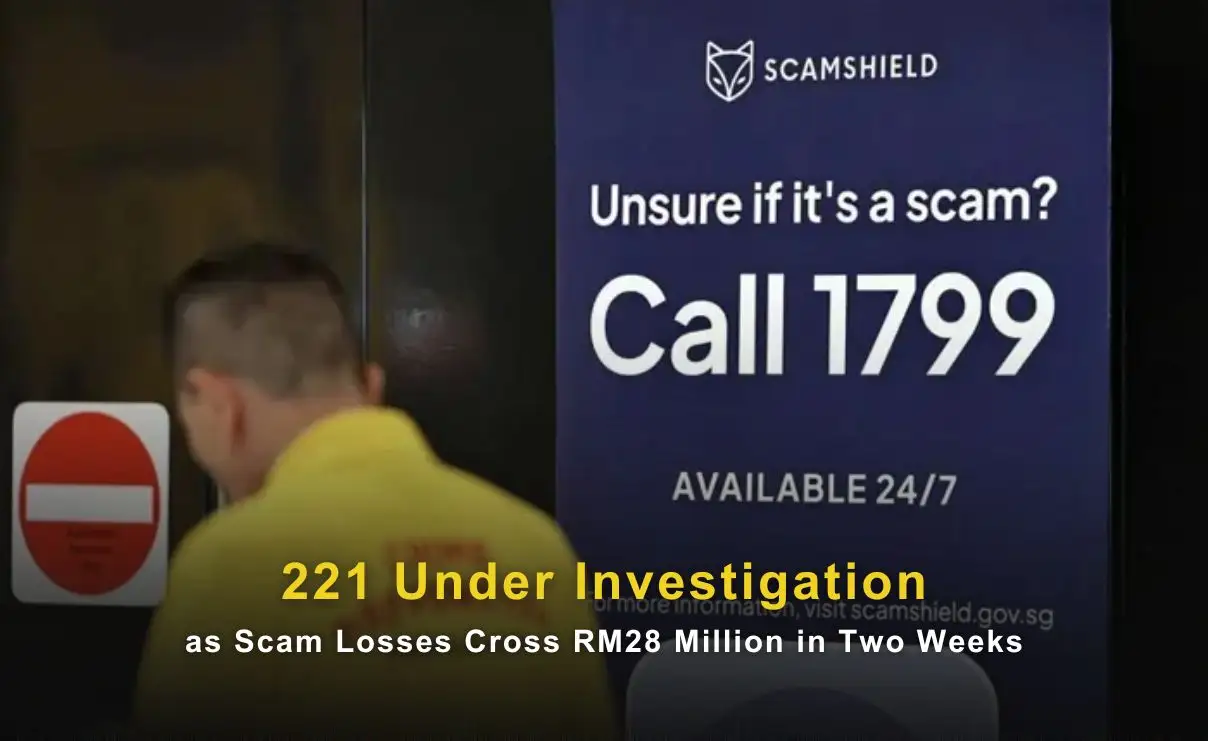
Singapore authorities have concluded a major anti-scam enforcement operation that resulted in 221 individuals being placed under investigation for their alleged roles in a wide range of fraudulent schemes.

Malaysia may be emerging as a new destination for transnational scam syndicates seeking to evade mounting pressure from international law enforcement agencies, according to a leading humanitarian organisation.

He Claimed Elite Connections. She Ended Up Losing Millions and Her Dream Car
WikiFXWikiFXWikiFXWikiFXWikiFXWikiFXWikiFXWikiFXWikiFXWikiFX