


Vietnam Becomes New Base for Cross Border Scam Syndicates After Cambodia Crackdown
Cross border scam syndicates are constantly adapting to evade law enforcement by moving from Cambodia to Vietnam.
Original

简体中文
繁體中文
English
Pусский
日本語
ภาษาไทย
Tiếng Việt
Bahasa Indonesia
Español
हिन्दी
Filippiiniläinen
Français
Deutsch
Português
Türkçe
한국어
العربية
اردو




Abstract:Authorities in Malaysia have identified five deepfake videos linked to fraudulent investment schemes, highlighting the growing threat posed by artificial intelligence (AI)-driven scams.
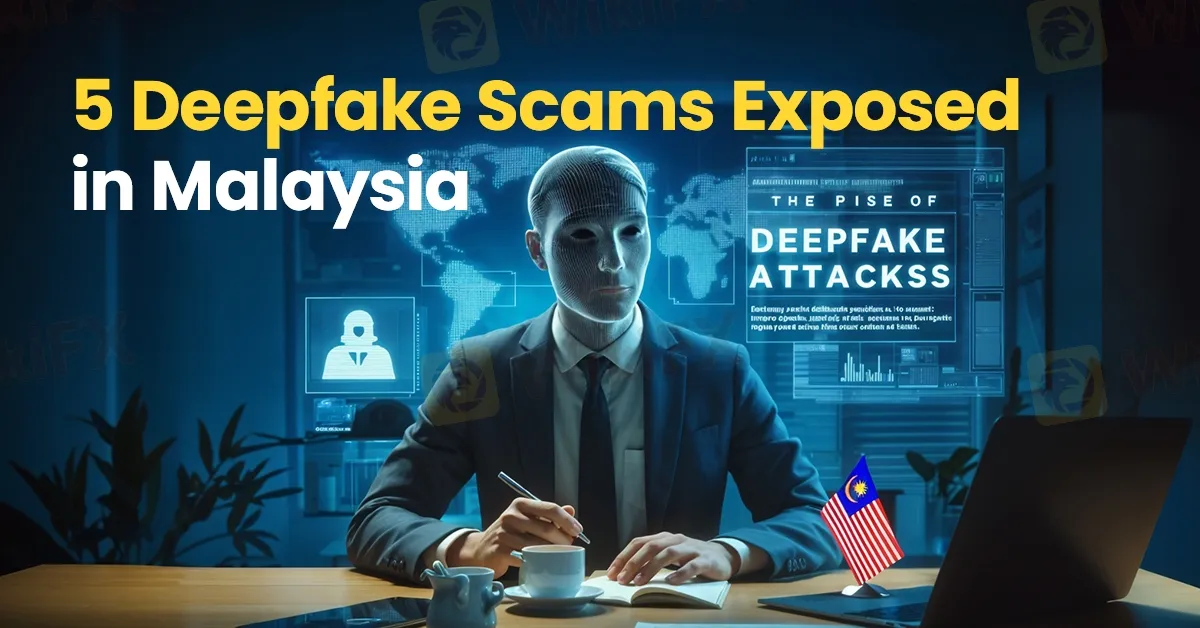
Authorities in Malaysia have identified five deepfake videos linked to fraudulent investment schemes, highlighting the growing threat posed by artificial intelligence (AI)-driven scams. These deceptive videos, widely circulated on social media since last year, manipulate the likenesses of prominent politicians and business leaders to lure unsuspecting victims into fraudulent schemes.
According to the Bukit Aman Commercial Crime Investigation Department (CCID), the deepfake videos prominently feature high-profile individuals, including Malaysian Prime Minister Datuk Seri Anwar Ibrahim and former U.S. President Donald Trump. Other individuals depicted include senior executives from PETRONAS, Seputeh MP Teresa Kok, and Tesla, Inc. CEO Elon Musk. By leveraging the credibility of these figures, scammers seek to convince the public to invest in schemes allegedly endorsed by the Malaysian government, promising returns of up to 100 times the initial investment.
Despite being shared across various online platforms, authorities suspect that a single syndicate is responsible for producing these fraudulent videos. The Malaysian Securities Commission (SC) has warned that deepfake scams frequently exploit the images and reputations of influential figures to create a false sense of legitimacy. These fraudulent advertisements often include a “Learn More” button or an embedded link that directs users to a registration page, where they are prompted to provide personal information.

Investigations have revealed that individuals who engage with these links are often asked to download an application, potentially exposing them to cyber threats and financial fraud. In response, the SC has pledged to take decisive action against such scams in collaboration with the Malaysian Communications and Multimedia Commission. This includes the removal of deepfake videos promoting investment fraud to prevent further victimisation.
Authorities have emphasised the critical importance of public awareness in combatting AI-driven deception. The SC has urged individuals to verify the authenticity of online investment opportunities and to be cautious of advertisements featuring well-known personalities, as these endorsements are often fabricated.

With fraudulent investment schemes becoming increasingly sophisticated, investors are encouraged to utilise tools that can help them distinguish between legitimate and deceptive financial platforms. One such resource is the free WikiFX mobile application, which provides comprehensive details on brokerage firms, including regulatory status, customer reviews, and safety ratings. By offering access to in-depth insights and risk alerts, WikiFX enables investors to make well-informed decisions, safeguarding their assets from unauthorised and unlicensed entities.

Disclaimer:
The views in this article only represent the author's personal views, and do not constitute investment advice on this platform. This platform does not guarantee the accuracy, completeness and timeliness of the information in the article, and will not be liable for any loss caused by the use of or reliance on the information in the article.
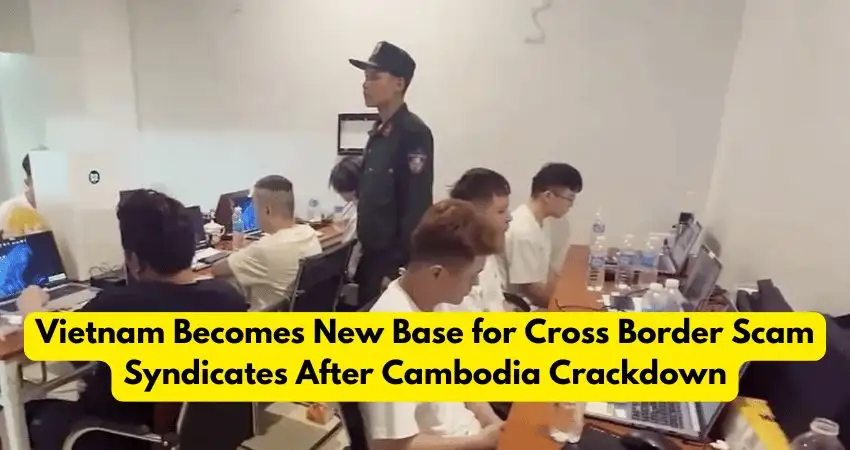
Cross border scam syndicates are constantly adapting to evade law enforcement by moving from Cambodia to Vietnam.
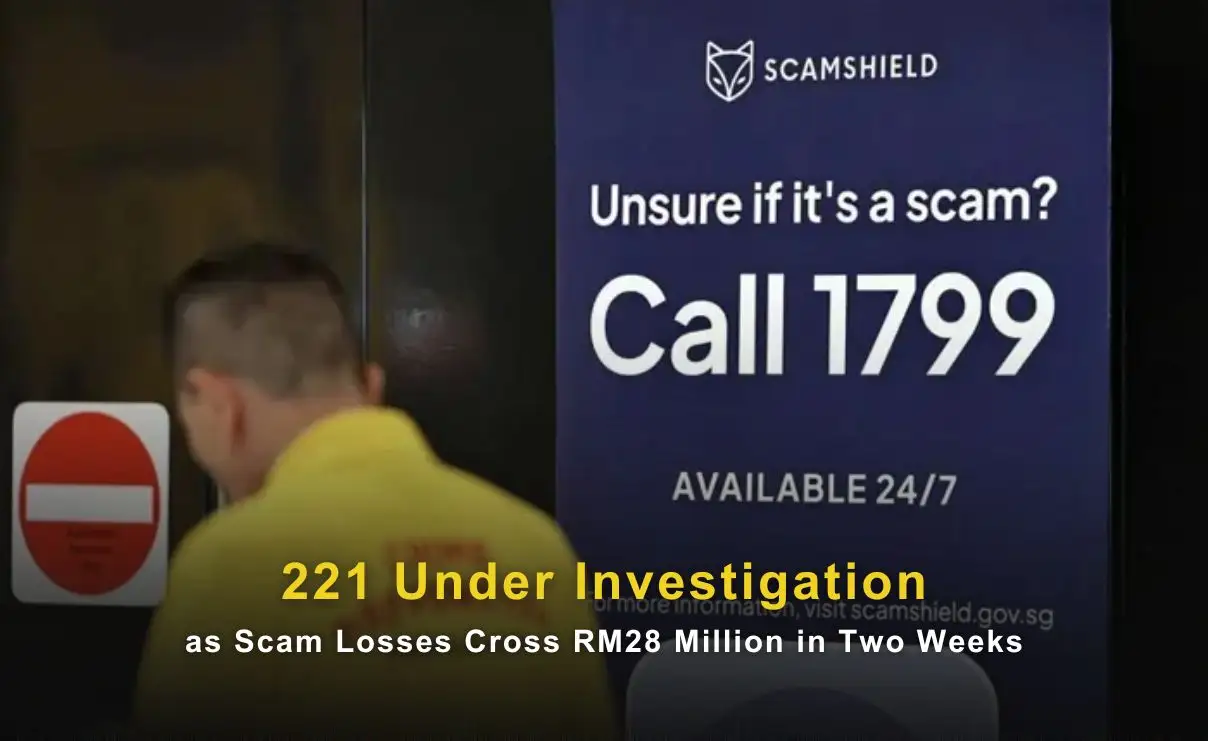
Singapore authorities have concluded a major anti-scam enforcement operation that resulted in 221 individuals being placed under investigation for their alleged roles in a wide range of fraudulent schemes.

Malaysia may be emerging as a new destination for transnational scam syndicates seeking to evade mounting pressure from international law enforcement agencies, according to a leading humanitarian organisation.

He Claimed Elite Connections. She Ended Up Losing Millions and Her Dream Car
WikiFXWikiFXWikiFXWikiFXWikiFXWikiFXWikiFXWikiFXWikiFXWikiFX