


Vietnam Becomes New Base for Cross Border Scam Syndicates After Cambodia Crackdown
Cross border scam syndicates are constantly adapting to evade law enforcement by moving from Cambodia to Vietnam.
Original

简体中文
繁體中文
English
Pусский
日本語
ภาษาไทย
Tiếng Việt
Bahasa Indonesia
Español
हिन्दी
Filippiiniläinen
Français
Deutsch
Português
Türkçe
한국어
العربية
اردو




Abstract:A 58-year-old insurance agent in Malaysia has lost RM1.58 million to an investment scam. Between 19 December 2024 and 20 February 2025, she made 27 transactions, sending funds to six different bank accounts under various companies.

A 58-year-old insurance agent in Malaysia has lost RM1.58 million to an investment scam. She lodged a police report in Georgetown, Penang, on 28 February 2025 after realising she had been deceived.
Bukit Aman Commercial Crime Investigation Department (CCID) director, Commissioner Datuk Seri Ramli Mohamed Yoosuf, said the victim first met the scammer through WhatsApp in November last year. The man, who introduced himself as Goh, convinced her to join an investment scheme that he claimed was linked to gambling activities in Singapore.
The victim was asked to download an investment application recommended by the scammer. After registering an account, another individual contacted her and instructed her to make payments to start investing. Believing the scheme was legitimate, she followed the instructions and began transferring money.
Between 19 December 2024 and 20 February 2025, she made 27 transactions, sending funds to six different bank accounts under various companies. The total amount lost reached RM1.58 million. Investigations showed that most of the money came from bank loans and charges on four credit cards. She also borrowed from friends and used part of her savings to fund the investments.
She only realised the scam when she failed to receive any returns. When she tried to withdraw her supposed profits, she was asked to make additional payments. At that point, she understood that she had been deceived and reported the matter to the police.

Authorities are investigating the case under Section 420 of the Penal Code, which covers cheating and dishonestly inducing the delivery of property. The police have urged the public to be cautious when dealing with investment offers, especially those that promise high returns with little risk.

As incidents like this become increasingly common, tools such as WikiFX can play a vital role in helping individuals verify the legitimacy of brokers and financial platforms. WikiFX offers an extensive database of global broker profiles, regulatory status updates, and user reviews, enabling users to make informed decisions before committing to any financial investment. Its risk ratings and alerts for unlicensed or suspicious entities help investors easily spot red flags and avoid potential scams. By using tools like WikiFX to research a broker's background, individuals can safeguard their hard-earned savings and reduce the risk of falling victim to fraudulent schemes.

Disclaimer:
The views in this article only represent the author's personal views, and do not constitute investment advice on this platform. This platform does not guarantee the accuracy, completeness and timeliness of the information in the article, and will not be liable for any loss caused by the use of or reliance on the information in the article.

Cross border scam syndicates are constantly adapting to evade law enforcement by moving from Cambodia to Vietnam.
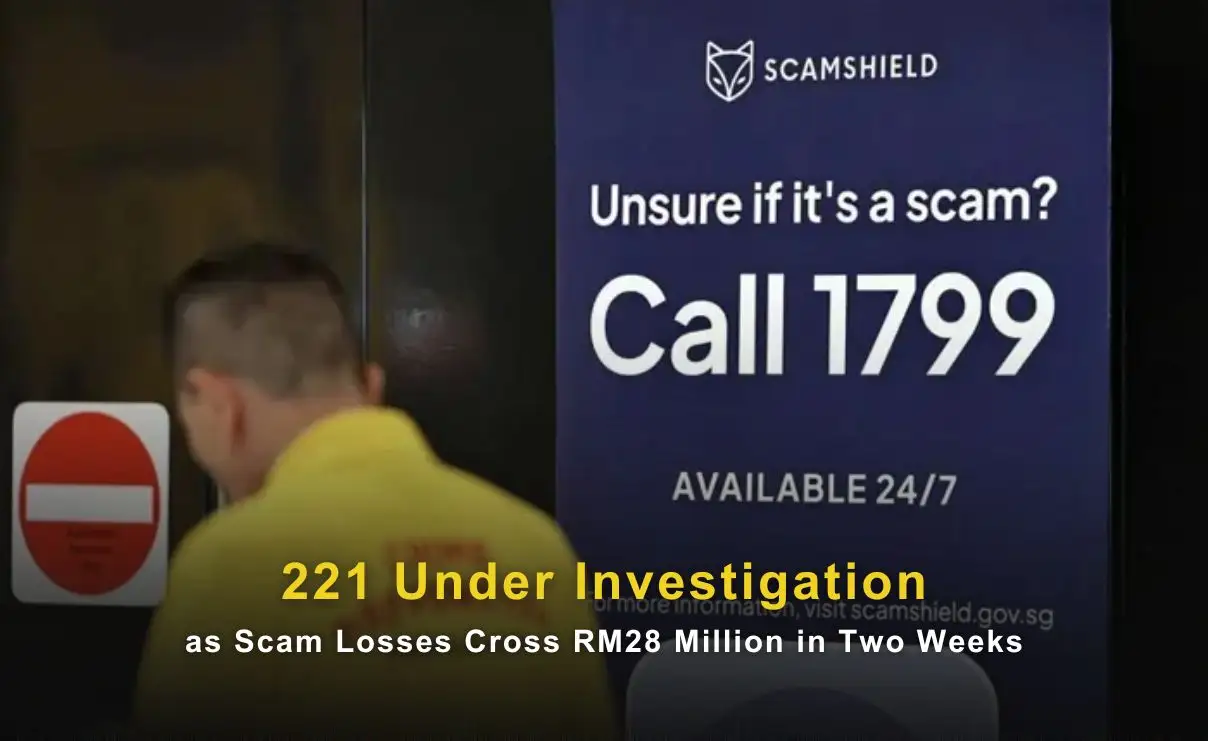
Singapore authorities have concluded a major anti-scam enforcement operation that resulted in 221 individuals being placed under investigation for their alleged roles in a wide range of fraudulent schemes.

Malaysia may be emerging as a new destination for transnational scam syndicates seeking to evade mounting pressure from international law enforcement agencies, according to a leading humanitarian organisation.

He Claimed Elite Connections. She Ended Up Losing Millions and Her Dream Car
WikiFXWikiFXWikiFXWikiFXWikiFXWikiFXWikiFXWikiFXWikiFXWikiFX