


Vietnam Becomes New Base for Cross Border Scam Syndicates After Cambodia Crackdown
Cross border scam syndicates are constantly adapting to evade law enforcement by moving from Cambodia to Vietnam.
Original

简体中文
繁體中文
English
Pусский
日本語
ภาษาไทย
Tiếng Việt
Bahasa Indonesia
Español
हिन्दी
Filippiiniläinen
Français
Deutsch
Português
Türkçe
한국어
العربية
اردو




Abstract:A 73-year-old retiree suffered a devastating financial loss of RM4 million after falling prey to a fraudulent share investment scheme advertised on Facebook.

A 73-year-old retiree suffered a devastating financial loss of RM4 million after falling prey to a fraudulent share investment scheme advertised on Facebook.
According to Selangor police chief Datuk Hussein Omar Khan, the victim, a former private-sector employee, was drawn into the scheme known as PVTCMax Investment in mid-November last year. She was subsequently added to a WhatsApp group operated by two individuals, identified as Alya and Christopher, who assured investors of daily returns ranging between eight and ten per cent.
Over time, the victim was directed to make 62 separate transactions, transferring a total of RM4 million into ten different bank accounts. The deception became apparent when she was repeatedly asked to make additional payments to access her supposed profits. It was only then that she realised she had been defrauded.

Authorities have since launched an investigation under the offence of cheating, which, upon conviction, carries a prison sentence ranging from one to ten years, along with possible whipping and a fine. The case underscores the urgent need for heightened vigilance among the public regarding fraudulent investment opportunities proliferating across social media platforms.
The police chief also issued a warning to the public, urging individuals to be cautious of investment schemes that guarantee unrealistic returns. Many such schemes operate through financial or investment applications that lack approval from Bank Negara Malaysia (BNM) or the Securities Commission Malaysia (SC). He further advised that any individuals encountering suspicious investment offers or fraudulent calls should immediately contact the National Scam Response Centre (NSRC) at 997 for verification or to file complaints.

To mitigate the risk of falling victim to similar fraudulent schemes, investors are encouraged to leverage verification tools such as WikiFX. This platform provides extensive details on brokers, including their regulatory status, customer reviews, and safety ratings. By accessing in-depth insights and risk alerts, potential investors can make informed decisions and steer clear of unauthorised or unlicensed entities. Using reliable resources like WikiFX can be instrumental in safeguarding personal finances and avoiding the financial devastation caused by investment scams.

Disclaimer:
The views in this article only represent the author's personal views, and do not constitute investment advice on this platform. This platform does not guarantee the accuracy, completeness and timeliness of the information in the article, and will not be liable for any loss caused by the use of or reliance on the information in the article.

Cross border scam syndicates are constantly adapting to evade law enforcement by moving from Cambodia to Vietnam.
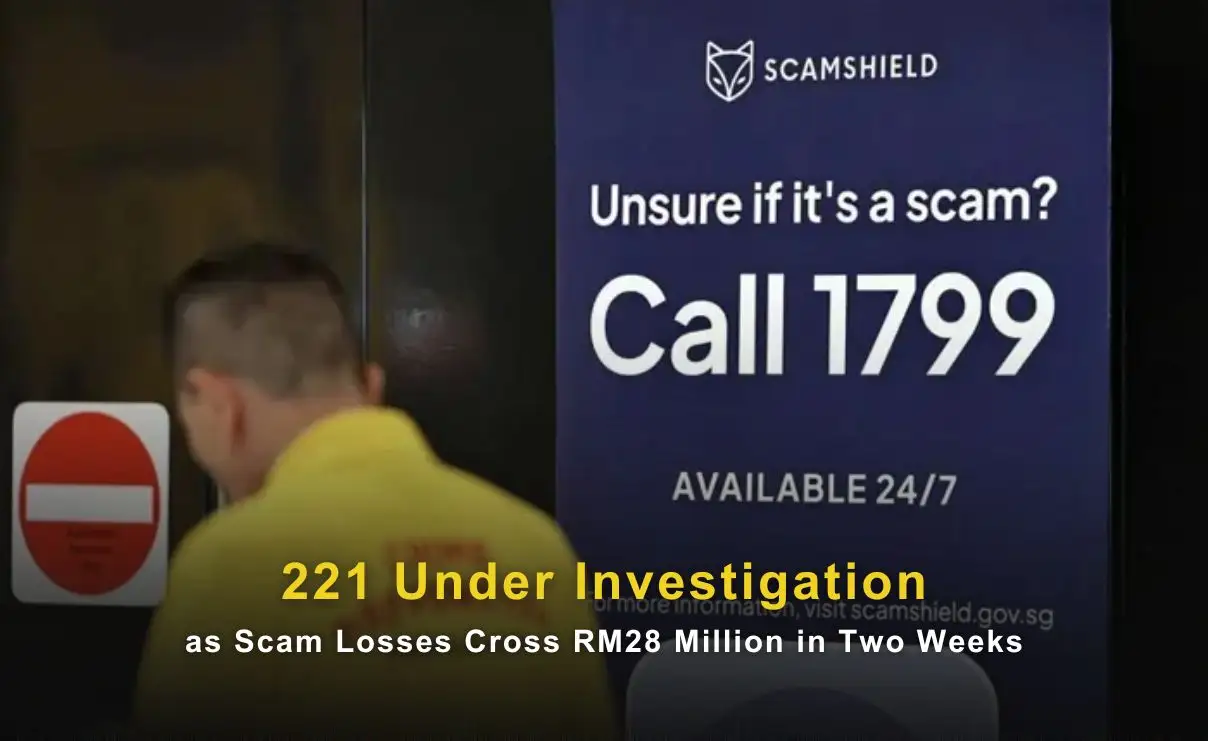
Singapore authorities have concluded a major anti-scam enforcement operation that resulted in 221 individuals being placed under investigation for their alleged roles in a wide range of fraudulent schemes.

Malaysia may be emerging as a new destination for transnational scam syndicates seeking to evade mounting pressure from international law enforcement agencies, according to a leading humanitarian organisation.

He Claimed Elite Connections. She Ended Up Losing Millions and Her Dream Car
WikiFXWikiFXWikiFXWikiFXWikiFXWikiFXWikiFXWikiFXWikiFXWikiFX