Abstract:Discover how the Philippines is gearing up to become a global player in mineral processing, with a 20-year plan to boost its mineral sector and seize opportunities.
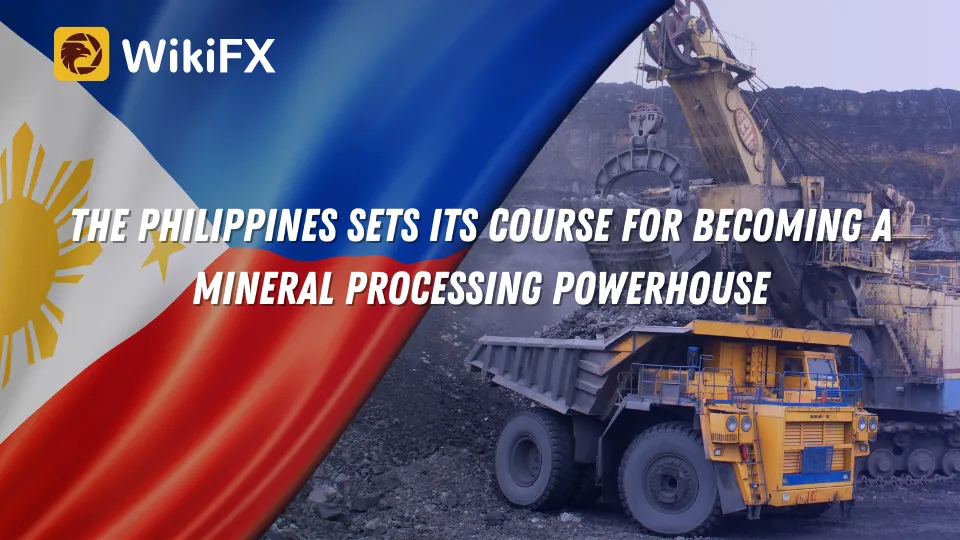
The Philippines, known for its vast mineral riches, is considering a strategy change in its minerals sector, with the goal of elevating its reputation from that of a simple ore exporter to that of a prominent participant in mineral processing. The Mines and Geosciences Bureau (MGB) has laid forth a bold plan to achieve this transition over the next two decades.
According to a recent MGB report, the government is exploring avenues to augment the countrys capabilities in the semi-processed and fully processed mineral products market. The strategy includes advocating for the establishment of mineral processing facilities, refineries, and downstream industries.
 Contents
Three-Phase Roadmap to Boost the Mineral Sector
The MGB's roadmap, which spans from 2022 to 2040, consists of three phases designed to gradually elevate the Philippines' status in the global mineral markets.
The initial phase, set for 2022 to 2024, focuses on bolstering investors' trust in the country's mineral sector. The following stage, extending from 2023 to 2030, is targeted toward expanding domestic ore production and developing mineral assets. The final phase, spanning 2026 to 2040, is where the MGB intends to spotlight the production of semi-processed and fully processed mineral products, thereby catapulting the Philippines onto the global mineral markets.
The MGB believes that this strategic transformation will enable the country to capture a higher position in the value chain and the global supply chain, advancing beyond its current role as an ore vendor.
The Rise in Electric Vehicle Adoption: An Opportunity for the Philippines
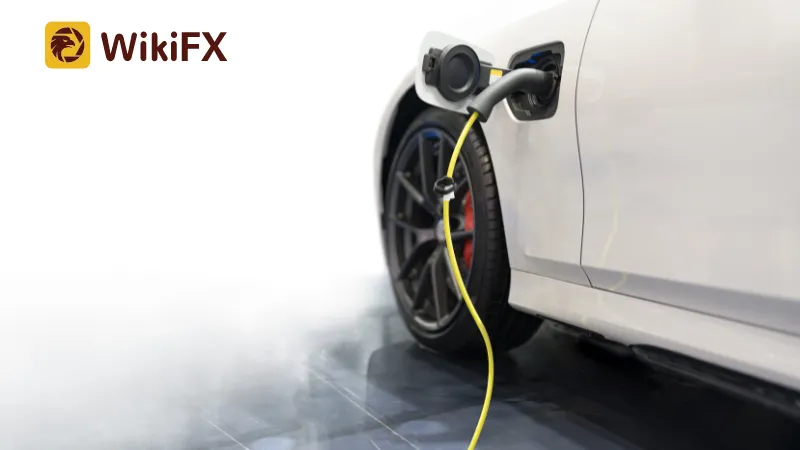
As the world is moving towards the electrification of vehicles, the MGB sees an enormous opportunity for the country. This global shift is anticipated to drive up the demand for minerals like nickel, copper, and silver, vital components in manufacturing batteries for electric vehicles.
The global movement towards reducing greenhouse gas emissions and utilizing renewable energy further escalates this demand. Key metals for low-carbon or clean technologies, including lithium, cobalt, nickel, and copper, will be increasingly sought after.
“Experts predict that the surge in low-carbon technology adoption would place natural resource-rich nations in a beneficial position due to heightened demand. This trend will significantly favor the Philippines, given our extensive nickel ore reserves,” noted the MGB.
Roadmap Implementation Depends on a Mix of Factors
The realization of this roadmap, however, will hinge upon the interaction of various internal and external factors, as the agency continues to monitor the performance of the mineral sectors for the current year.
Internally, the government's policy support, in terms of tax reforms, improving ease of doing business, promoting foreign investments, and implementing effective regulation of small-scale mining, will be paramount.
External aspects, such as global metal prices, foreign exchange rates, energy or fuel prices, the ongoing Russia-Ukraine conflict, the pace of recovery in Chinese industrial and manufacturing sectors, disruptions in metal supply chains, and geopolitical tensions, could also significantly influence the roadmap's execution.
To stay updated with the latest news, download and install the WikiFX App on your smartphone. You can access the app here: https://social1.onelink.me/QgET/px2b7i8n.